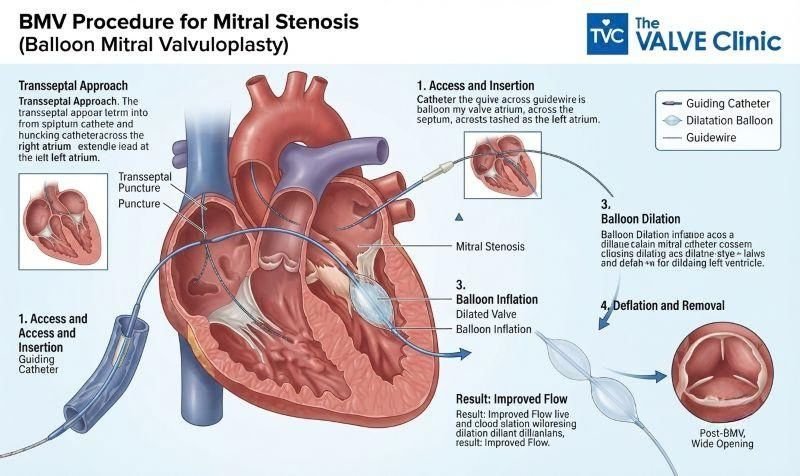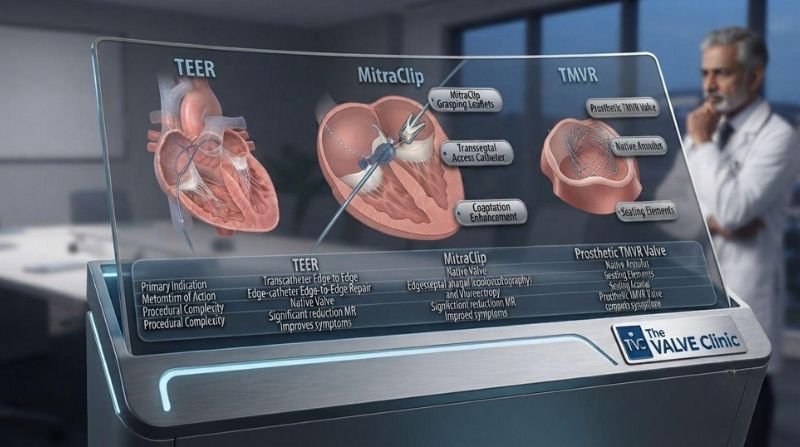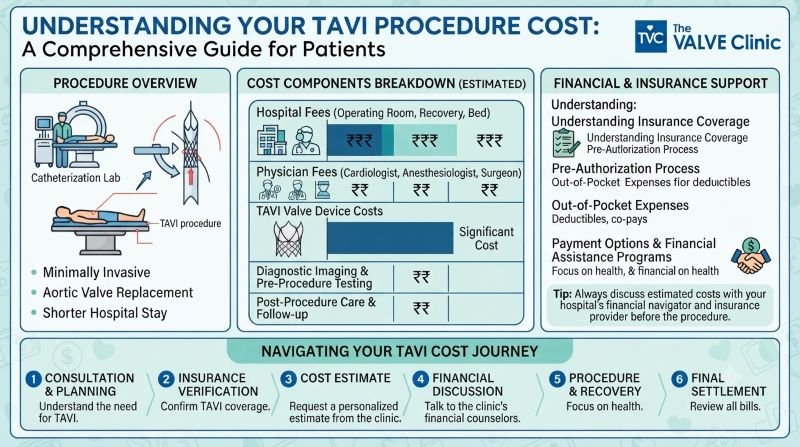

What Is Aortic Stenosis?
Inside the heart, the aortic valve works like a gate. With every heartbeat, it opens to let oxygen-rich blood move from the heart to the rest of the body. In conditions like Aortic Stenosis, this valve becomes narrowed, making it harder for blood to flow properly and forcing the heart to work harder than normal.
In aortic stenosis, that gate becomes stiff and narrow.
It doesn’t open fully.
The heart must push harder to move blood forward.
Over time, this extra strain begins to matter.
Why Does the Valve Become Narrow?
In many older adults, calcium gradually builds up on the valve leaflets. This makes them thick and less flexible.
In others, the valve may have been slightly abnormal since birth.
In India, a history of rheumatic fever can also affect valve structure.
The narrowing does not happen overnight. It progresses slowly. That is why symptoms are often subtle in the beginning.
What Symptoms Should You Notice?
Patients describe it differently.
- Some say they feel “slowed down.”
- Others notice breathlessness that feels out of proportion to activity.
- Some experience dizziness or near-fainting.
- Occasionally, there is chest tightness.
The important detail is not the symptom itself — it’s the change.
If your stamina today is clearly less than it was a year ago, it deserves attention.
Why Is Severe Aortic Stenosis Serious?
When the valve becomes severely narrowed, the heart faces constant resistance.
At first, the heart muscle thickens to cope.
Eventually, it may begin to weaken.
Once significant symptoms appear in severe aortic stenosis, the condition can become life-threatening if untreated. This is why timing matters.
Not early panic.
But not late delay either.
How Is Aortic Stenosis Diagnosed?
The most important test is an echocardiogram — an ultrasound of the heart.
It tells us:
- How narrow the valve has become
- How well the heart muscle is functioning
- Whether pressure is building up inside the heart
Symptoms and echo findings together guide decisions.
Not symptoms alone.
Not reports alone.
Both.
What Are the Treatment Options?
Treatment depends on severity.
Mild or moderate narrowing is often monitored with periodic scans.
Severe narrowing with symptoms usually requires valve replacement.
Today, replacement may be done through:
- Traditional open-heart surgery
- Or catheter-based approaches such as TAVI (Transcatheter Aortic Valve Implantation)
At The Valve Clinic, decisions are made through a heart team approach — evaluating anatomy, age, surgical risk, overall health, and long-term safety.
Not every patient needs the same solution.
When Is TAVI Considered?
TAVI is a minimally invasive procedure performed through blood vessels, often from the leg, without opening the chest.
It is commonly considered in:
- Older patients
- Those at higher surgical risk
- Patients with suitable valve anatomy
But suitability depends on careful imaging and evaluation.
Minimally invasive does not automatically mean better.
It means appropriate — when chosen correctly.
What Happens If Severe Aortic Stenosis Is Left Untreated?
Once symptoms like breathlessness, fainting, or chest pain appear in severe cases, the risk of complications rises.
This is why evaluation should not be postponed once symptoms become noticeable.
Many patients delay care because they feel “manageable.”
Often, the body has simply adapted.
When Should You See a Specialist?
Consider evaluation if you notice:
- Increasing breathlessness
- Reduced activity tolerance
- Unexplained fatigue
- Dizziness during exertion
Even if symptoms feel mild.
Clarity reduces fear.
A consultation does not commit you to a procedure. It simply helps you understand what stage the condition is in — and what to expect next.
Frequently Asked Questions
Q. Is aortic stenosis common in elderly patients?
Yes. Age-related calcification is one of the most common causes.
Q. Can aortic stenosis be treated with medicines alone?
Medicines may help manage symptoms temporarily, but severe narrowing typically requires valve replacement.
Q. Is TAVI safer than surgery?
Safety depends on patient factors. For some, TAVI offers lower procedural risk. For others, surgery remains the better long-term solution.
Q. How fast does aortic stenosis progress?
Progression varies. Some patients remain stable for years; others worsen more quickly. Regular follow-up is essential.
If you or a family member has been told you have aortic valve narrowing — or if symptoms are changing — a structured evaluation can provide clarity.
Understanding your valve is the first step toward protecting your heart.