

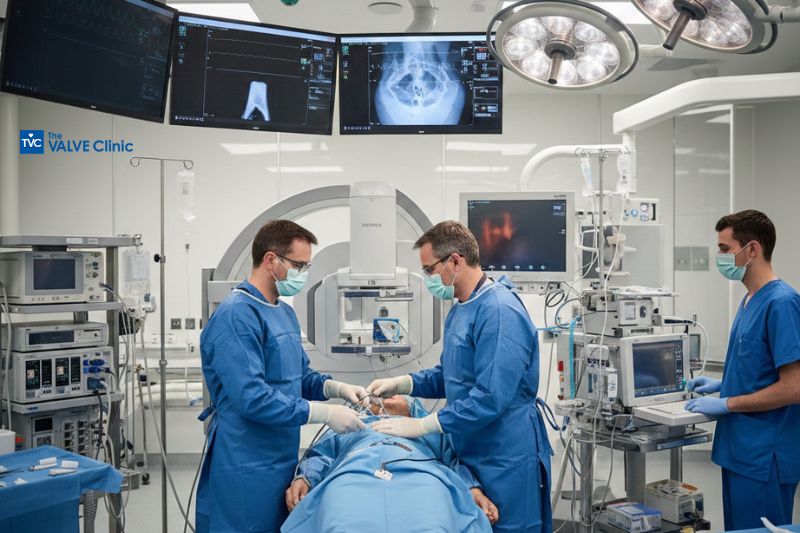
If climbing a few stairs leaves you breathless or constant fatigue is limiting your daily life, your heart may be asking for help. Severe aortic stenosis is a serious condition but today, recovery is possible without open-heart surgery.
Across the country, real patient stories are proving how TAVI in India is restoring strength, confidence, and quality of life, especially for elderly and high-risk patients once considered inoperable.
Transcatheter Aortic Valve Implantation (TAVI) is a minimally invasive aortic valve replacement procedure that replaces a damaged valve using a catheter instead of a large chest incision. The result? Faster recovery, less pain, and renewed hope.
Why TAVI in India Is Transforming Cardiac Care
Over the past decade, TAVI in India has evolved into a globally trusted solution for treating severe aortic stenosis. With advanced hybrid cath labs, internationally trained interventional cardiologists, and high procedural success rates, India has become a preferred destination for minimally invasive valve replacement.
Benefits of Minimally Invasive TAVI
Patients choose TAVI in India because it offers:
- No major chest opening
- Shorter hospital stay (usually 3–5 days)
- Faster recovery time
- Reduced infection risk
- Improved quality of life
Many patients report noticeable improvement in breathing within days.
One 78-year-old retired teacher from Mumbai who struggled to walk even 20 meters resumed her daily park visits within weeks of the procedure. Stories like hers reflect the growing TAVI success rate in India, which is comparable to leading global cardiac centers.
Choosing the Right TAVI Surgery Hospital in Mumbai
Selecting the right TAVI surgery hospital in Mumbai is crucial for a safe and successful outcome. The expertise of the heart team directly influences recovery quality.
A reputed TAVI surgery hospital in Mumbai typically offers:
- Advanced imaging and diagnostic facilities
- Dedicated structural heart specialists
- Hybrid catheterization labs
- Emergency cardiac backup
- Post-procedure monitoring & rehabilitation
When evaluating hospitals, patients should look for:
- Experience in high-risk cardiac cases
- Documented success rates
- NABH accreditation
- Transparent patient reviews
The right center does more than perform the procedure, it supports your complete recovery journey.
The Role of a Heart Diagnostic Specialist in Mumbai Before TAVI
Early diagnosis can be life-saving. A skilled heart diagnostic specialist in Mumbai plays a critical role in determining whether TAVI is the best option for you.
Tests Done Before TAVI
A heart diagnostic specialist in Mumbai may recommend:
- Echocardiography to assess valve narrowing
- CT scan for valve measurement
- Coronary angiography
- Blood investigations
These tests confirm the severity of aortic stenosis and help plan the safest treatment approach.
Patients often ignore symptoms like:
- Breathlessness
- Chest discomfort
- Dizziness
- Extreme fatigue
A 72-year-old businessman who delayed evaluation later discovered severe valve narrowing. After undergoing TAVI, he returned to traveling and managing his work comfortably. Early detection truly changes outcomes.
Understanding the TAVI Procedure Cost in India
One of the most common questions patients ask is about affordability. The TAVI procedure cost in India varies based on:
- Type of valve used
- Hospital infrastructure
- Complexity of the case
- ICU stay duration
Compared to Western countries, the TAVI procedure cost in India is significantly more affordable while maintaining global-quality standards. Many insurance providers now cover TAVI, reducing the financial burden on families.
When considering overall expenses, remember:
- Shorter hospital stay reduces costs
- Faster recovery means fewer rehabilitation expenses
- Lower complication rates minimize additional treatment costs
Investing in timely care prevents emergency complications later.
TAVI in India vs Open-Heart Surgery: What’s the Difference?
| Factor | TAVI in India | Open-Heart Surgery |
| Incision | Small catheter entry | Large chest incision |
| Anesthesia | Often local | General anesthesia |
| Recovery Time | Few weeks | 2–3 months |
| Hospital Stay | 3–5 days | 7–10 days |
| Risk for Elderly | Lower | Higher |
For elderly or high-risk patients, TAVI in India often provides a safer and less traumatic alternative.
Who Should Consider TAVI in India?
TAVI is recommended for:
- Patients with severe aortic stenosis
- Elderly individuals (70+ years)
- Patients unfit for open-heart surgery
- Individuals with multiple medical conditions
A thorough evaluation by a structural heart team determines eligibility.
Life After TAVI: Real Recovery Timeline
Most patients experience:
- Within 24–48 Hours: Improved breathing
- Within 1 Week: Increased mobility
- Within 1 Month: Return to daily routine
- Within 3 Months: Significant stamina improvement
Recovery is smoother because there is no large surgical wound to heal.
Emotionally, patients often describe feeling “reborn.” Families notice restored energy, confidence, and independence. These real recovery stories are the strongest testament to the success of TAVI in India.
Frequently Asked Questions (FAQs)
Many patients and families have important concerns before deciding on TAVI. Understanding the procedure, recovery, safety, and long-term outcomes can help you feel more confident and informed.
Here are answers to some of the most commonly asked questions about TAVI.
- Q. Who is eligible for TAVI?
TAVI is generally recommended for patients diagnosed with severe aortic stenosis, particularly those who are at high or intermediate risk for open-heart surgery. Eligibility is determined after detailed imaging tests, heart evaluations, and overall health assessment. A specialized heart team carefully reviews each case to ensure the procedure is both safe and beneficial for the patient. - Q. Is TAVI safer than open-heart surgery?
For many elderly patients or those with other medical conditions like diabetes, kidney disease, or lung problems, TAVI is considered a safer alternative because it is minimally invasive. It does not require opening the chest, which reduces surgical trauma and speeds up recovery. However, the safest option always depends on individual health factors and expert medical evaluation. - Q. How long does recovery take after TAVI?
Recovery after TAVI is typically much faster than traditional valve replacement surgery. Most patients are discharged within 2–5 days and can resume light daily activities within a week or two. Full recovery varies from person to person, but many report significant improvement in breathing and energy levels within a short period. - Q. How long does a TAVI valve last?
Modern TAVI valves are designed to be durable and long-lasting, often functioning effectively for 10–15 years or even longer in many cases. Regular follow-up visits and heart check-ups are essential to monitor valve performance over time. With proper care and medical guidance, patients can maintain excellent heart function for years after the procedure.
Take the First Step Toward a Healthier Heart
Severe aortic stenosis should never be ignored. Early diagnosis and timely treatment can dramatically improve survival and quality of life. If you are experiencing breathlessness, fatigue, or chest discomfort, consult a cardiac expert today. Advanced minimally invasive options like TAVI are restoring hope for thousands of families. Book your confidential consultation and receive a personalized treatment plan from experienced specialists.
📍 Address: A12 Silver Apts, Shankar Ghanekar Rd, Prabhadevi, Mumbai – 400025, Maharashtra, India
☎️ Tel: +91 9004506263
📧 Email: thevalveclinic@gmail.com
Visit: The Valve Clinic to explore TAVI treatment available in Mumbai.