
Transcatheter Aortic Valve Implantation / Replacement
TAVI / TAVR – A Minimally Invasive Treatment for Aortic Stenosis
Living with a narrowed heart valve can slowly take away everyday comforts — from walking short distances and climbing stairs to even breathing at rest. For many older adults and high-risk patients, traditional open-heart surgery may feel frightening or simply not possible.
TAVI (also known as TAVR) is a modern, minimally invasive procedure that allows doctors to replace a diseased aortic valve without opening the chest in many cases, offering a renewed quality of life with a faster recovery.
What is TAVI / TAVR?
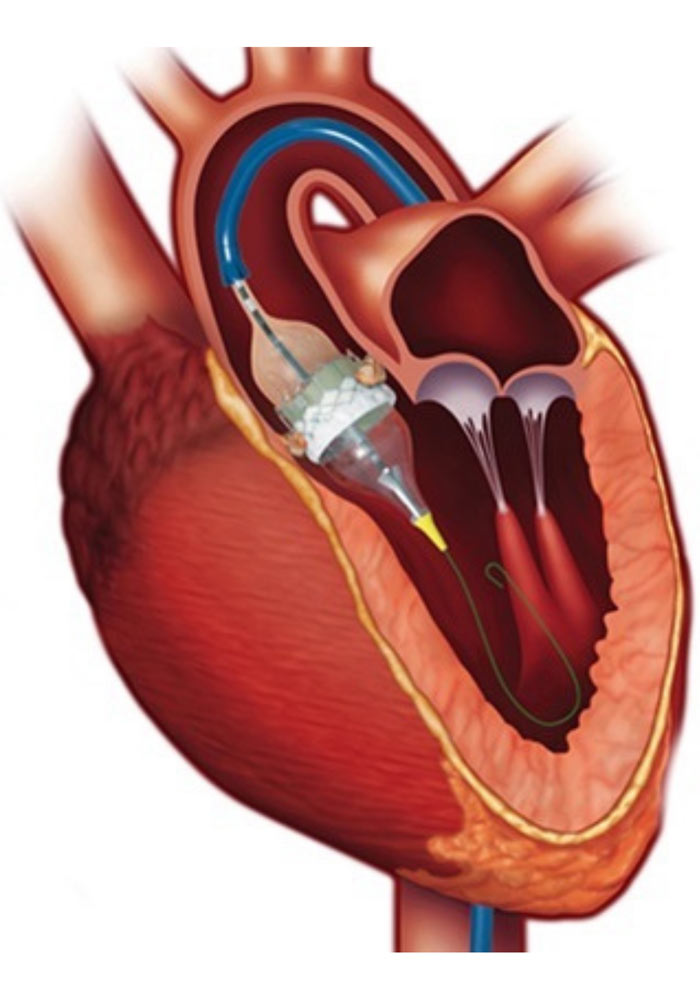
TAVI stands for Transcatheter Aortic Valve Implantation. It is a procedure used to replace a severely narrowed aortic valve using a catheter-based approach.
Instead of removing the valve surgically, a new valve is guided to the heart through a blood vessel (most commonly from the leg) and placed inside the existing valve.
This approach
- Avoids large chest incisions
- Reduces recovery time
- Is especially suited for elderly or high-risk patients

Who Needs TAVI?
TAVI is commonly advised for patients with severe aortic stenosis, especially when symptoms begin to affect daily life.
Without treatment, severe aortic stenosis can lead to heart failure and serious complications.
Common symptoms include:
- Breathlessness on walking or exertion
- Chest discomfort
- Dizziness or fainting spells
- Extreme fatigue
- Reduced ability to perform daily activities

Who is Suitable for TAVI ?
Suitability is decided after careful evaluation by a structural heart team, not based on age alone.
TAVI may be suitable if:
- You are elderly or considered high-risk for surgery
- You have other medical conditions
- Your valve anatomy allows catheter-based placement
- Imaging confirms feasibility
Not every patient is automatically eligible — this is why detailed assessment is essential.
Our Procedure
How is the TAVI Procedure Performed?
The procedure is done in a specialised catheterisation lab or hybrid operating room.
Step 01
Access is obtained through a blood vessel (usually the leg)
Step 02
A catheter carries the new valve to the heart
Step 03
The valve is positioned inside the diseased valve
Step 04
The new valve expands and begins working immediately
Step 05
The catheter is removed and the access site is closed
The procedure usually takes 1–2 hours.
Recovery After TAVI
Recovery is often quicker compared to open-heart surgery.
Most patients:
- Sit up and walk within 24 hours
- Are discharged within 2–4 days
- Resume light activities within a week
- Experience symptom improvement early
Regular follow-ups and medications are important to ensure long-term success.
Benefits of TAVI
- Minimally invasive
- Faster recovery
- Reduced hospital stay
- Improved breathing and energy
- Better quality of life
Risks & Limitations
While TAVI is safe when done by experienced teams, it is still a major heart procedure.
Possible risks include
- Bleeding
- Heart rhythm disturbances
- Stroke (rare)
- Need for pacemaker in some cases
Your doctor will explain risks clearly based on your condition.
Life After TAVI
Many patients return to a more active life — walking comfortably, sleeping better, and regaining independence.
Long-term follow-up includes:
- Regular echocardiograms
- Medication adherence
- Lifestyle guidance
FAQs – TAVI
Is TAVI safe at my age?
Age alone is not a barrier. Overall health and valve anatomy matter more.
Will I need open-heart surgery later?
Most patients do not, but long-term follow-up is essential.
How long does the valve last?
Modern valves are designed for long-term durability.