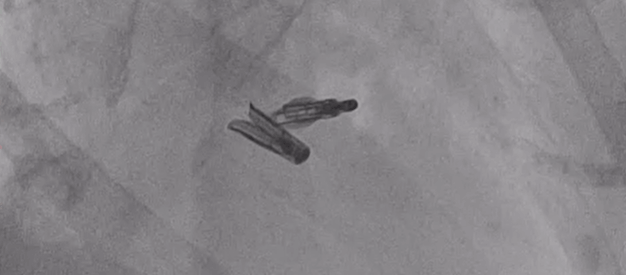
A leaking mitral valve can quietly strain the heart, leading to breathlessness, repeated hospital visits, and fatigue. Many patients are told surgery is risky or not advisable.
TEER, commonly known as MitraClip offers a minimally invasive option to reduce valve leakage and improve daily living.
Book a Consultation
What is TEER (MitraClip)?
TEER stands for Transcatheter Edge-to-Edge Repair It involves placing a small clip on the mitral valve to reduce backward blood flow.
The clip helps the valve close more effectively, improving heart efficiency without open surgery.
Who Needs MitraClip?
TEER is commonly recommended for patients with moderate to severe mitral regurgitation, especially when symptoms persist despite medicines.
Symptoms may include:
Breathlessness
Fatigue
Swelling of legs
Reduced exercise tolerance
Who is Suitable?
Type of mitral regurgitation
Valve anatomy
Overall heart function
Surgical risk
Careful imaging and team evaluation are essential.
Who is Suitable for TEER?
Suitability depends on:
Type of mitral regurgitation
Valve anatomy
Overall heart function
Surgical risk
Careful imaging and team evaluation are essential.
Careful imaging and team evaluation are essential.
Our Procedure
How the Procedure Works
The procedure is done in a specialised catheterisation lab or hybrid operating room.
Step 01
Access through a vein
Step 02
Catheter guided to the heart
Step 03
Clip placed on the valve leaflets
Step 04
Leak reduced immediately
Procedure time: 1–3 hours
Recovery
Short hospital stay
Early walking
Gradual improvement in symptoms
Continued medical therapy and follow-ups
Benefits of TEER
Minimally invasive
Reduced breathlessness
Fewer hospital admissions
Improved quality of life
Risks & Transparency
Bleeding
Residual leak
Rare complications
All risks are discussed openly before proceeding..
FAQs
Is MitraClip permanent
Yes, it is designed to remain in place for the long-term.
Will it cure heart failure?
It improves valve function and symptoms but ongoing care remains important.