
If you have severe aortic valve narrowing and are experiencing symptoms such as breathlessness, chest discomfort, dizziness, or reduced exercise capacity, TAVR heart surgery may be a suitable alternative to traditional open heart surgery. The best treatment depends on your age, overall health, valve anatomy, and individual risk profile.
The Valve Clinic: Understanding When TAVR May Be the Better Option
Aortic stenosis is one of the most common heart valve conditions, particularly in older adults. As the valve becomes narrowed, the heart must work harder to pump blood to the body.
Traditionally, this condition was treated with open heart valve replacement. Today, many patients may be candidates for a less invasive catheter-based procedure called Transcatheter Aortic Valve Replacement (TAVR).
The key question is not whether TAVR is newer, but whether it is the right treatment for your specific condition.
What Is TAVR Heart Surgery?
TAVR heart surgery is a minimally invasive procedure used to replace a diseased aortic valve without opening the chest through a conventional surgical approach.
Instead of removing the damaged valve through open surgery, a replacement valve is delivered through a catheter, most commonly inserted through an artery in the groin.
For carefully selected patients, this approach can provide excellent outcomes with shorter recovery times and less physical stress on the body.
Signs That You May Need TAVR Instead of Open Heart Surgery
Severe Symptomatic Aortic Stenosis
Patients with severe aortic stenosis often develop:
- Shortness of breath during daily activities
- Chest pain or pressure
- Fatigue
- Dizziness
- Fainting episodes
- Reduced exercise tolerance
When symptoms develop, valve replacement is usually recommended because untreated severe aortic stenosis can progressively affect heart function.
Advanced Age
Older adults may face increased risks from conventional surgery due to age-related factors.
Many patients in their seventies, eighties, and beyond may benefit from a minimally invasive approach when clinically appropriate.
Age alone does not determine eligibility, but it is an important consideration during evaluation.
Multiple Medical Conditions
You may be considered for TAVR if you have:
- Diabetes
- Kidney disease
- Chronic lung disease
- Previous stroke
- Frailty
- Reduced mobility
These conditions can increase surgical risk and may make catheter-based treatment a more attractive option.
Previous Heart Surgery
Patients who have undergone previous bypass surgery or other cardiac operations may face higher risks during repeat open chest procedures.
In selected situations, TAVR can avoid the challenges associated with re-operative cardiac surgery.
Faster Recovery Is Important
Many patients wish to maintain independence and return to normal activities as quickly as possible.
Compared with traditional surgery, TAVR often involves:
- Smaller access sites
- Shorter hospital stays
- Less postoperative discomfort
- Earlier mobilisation
- Faster return to routine activities
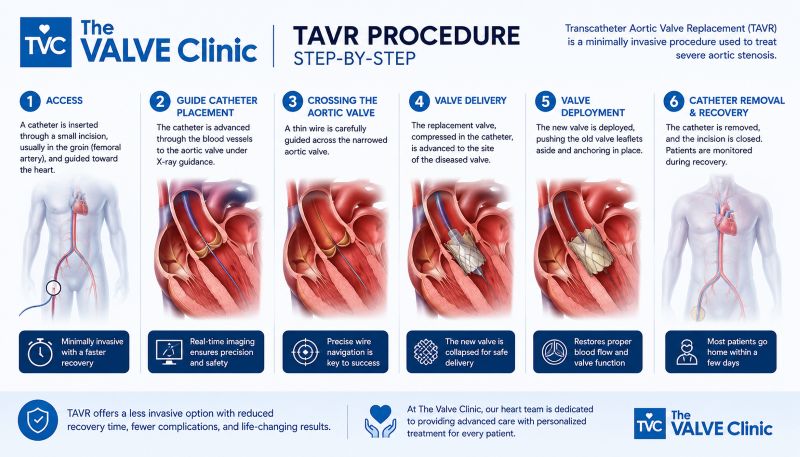
TAVR Procedure Step by Step: What Patients Can Expect
Understanding the TAVR procedure step by step can help reduce anxiety and improve confidence before treatment.
The procedure generally includes:
- Pre-procedure imaging and valve assessment
- Catheter insertion through the groin artery
- Guidance of the replacement valve to the heart
- Deployment of the new valve inside the diseased valve
- Immediate assessment of valve function
- Post-procedure monitoring and recovery
Most patients are encouraged to walk within a short period after treatment and are discharged within a few days if recovery is uncomplicated.
When Open Heart Surgery May Still Be the Better Choice
Although TAVR is an excellent option for many patients, it is not appropriate for everyone.
Open surgery may still be recommended when:
- Multiple valves require treatment
- Complex coronary artery disease is present
- Certain anatomical features make TAVR unsuitable
- Long-term surgical durability is preferred in selected younger patients
A comprehensive evaluation helps determine which approach offers the safest and most effective outcome.
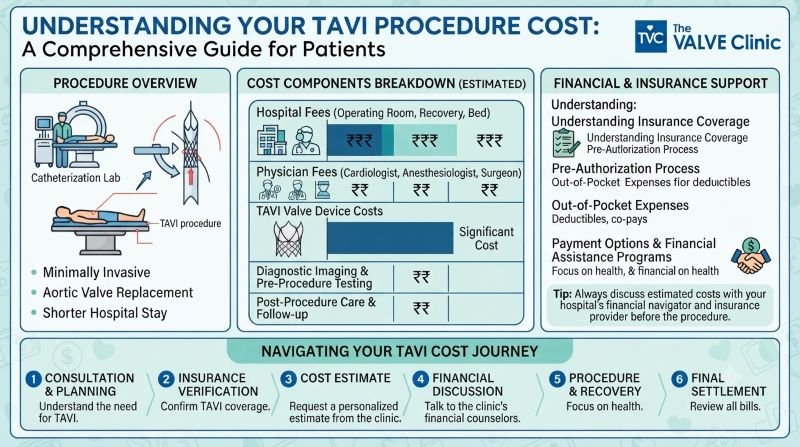
TAVR Surgery Cost in Mumbai and Treatment Planning
Patients frequently ask about TAVR surgery cost in Mumbai.
The overall cost can vary depending on:
- Type of replacement valve used
- Hospital stay duration
- Pre-procedure investigations
- Individual medical complexity
- Insurance coverage
Rather than focusing solely on cost, I encourage patients to understand the expected benefits, risks, long-term outcomes, and suitability of the procedure.
Dr. Ankur Phatarpekar Clinical Perspective
At The Valve Clinic, my approach is never to recommend a procedure simply because it is newer or less invasive. The decision must be based on detailed imaging, symptom burden, overall health, and long-term outcomes.
Not every patient with aortic stenosis requires open heart surgery, and not every patient is automatically suitable for TAVR. I evaluate several factors, including symptom severity, echocardiography findings, CT imaging, overall health status, frailty, and long-term treatment goals.
Many patients are surprised to learn that age alone does not determine eligibility. Some elderly patients are excellent candidates for TAVR, while some younger patients may still benefit more from surgical valve replacement.
My objective is always to recommend the option that offers the best balance of safety, durability, recovery, and long-term quality of life.
Internal Resources
You may also find these resources helpful:
- Understanding Aortic Stenosis: Causes, Symptoms and Treatment Options
- TAVR vs Surgical Aortic Valve Replacement: Which Option Is Right for You?
Frequently Asked Questions About TAVR
Patients considering valve replacement often have similar concerns. Below are answers to some of the most common questions I hear in clinic.
Q. Is TAVR safer than open heart surgery?
For appropriately selected patients, TAVR has been shown to provide excellent outcomes and may reduce procedural stress compared with traditional surgery. Suitability depends on individual clinical assessment.
Q. How long does TAVR recovery take?
Many patients recover more quickly than they would after open heart surgery. Recovery timelines vary depending on age, overall health, and procedural complexity.
Q. Can younger patients undergo TAVR?
Yes. Treatment decisions are based on multiple factors including anatomy, valve durability considerations, and overall clinical circumstances rather than age alone.
Q. How long does a TAVR valve last?
Modern TAVR valves have demonstrated encouraging durability. Ongoing follow-up helps monitor valve performance over time.
Q. How do I know if I am a candidate for TAVR?
A detailed evaluation including echocardiography, CT imaging, and specialist consultation is necessary to determine whether TAVR is the most suitable treatment option.
Q. Which is the best cardiology hospital for TAVR?
The best cardiology hospital for TAVR is one that offers a multidisciplinary heart team, advanced imaging capabilities, experienced structural heart specialists, and comprehensive patient follow-up.
A Message From Dr. Ankur Phatarpekar
If you have been advised to undergo valve replacement and are uncertain whether TAVR or open heart surgery is the better option, I encourage you to seek a detailed evaluation and, when needed, a second opinion.
Understanding your treatment choices can help you make a confident and informed decision about your heart health.
📞 Phone: +91 90045-06263
✉️ Email: thevalveclinic@gmail.com
📍 Address: 11TH FLOOR, DIAMOND PLAZA, 1101, Chabildas Rd, opp. Plaza Cinema, Dadar West, Dadar, Mumbai, Maharashtra 400028 India