Summary: As TAVI specialists, our goal is to recommend the treatment that offers the best balance of safety, durability, and long-term heart function for each individual patient. This article explains what TAVI is, who may benefit from it, how the procedure is performed, its benefits, possible risks, recovery timeline, and success rate, helping you make informed decisions about your heart valve treatment.
What is TAVI?
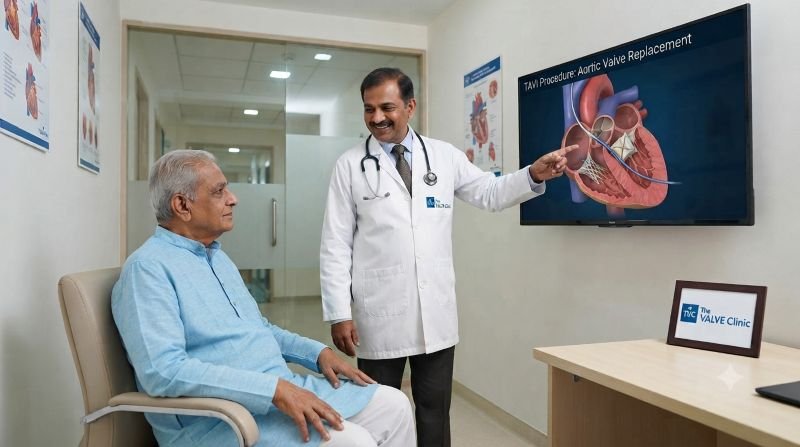
Transcatheter Aortic Valve Implantation (TAVI), also called Transcatheter Aortic Valve Replacement (TAVR), is a minimally invasive procedure used to replace a diseased aortic valve.
Instead of opening the chest to replace the valve, a new artificial valve is delivered through a thin catheter, usually inserted through an artery in the groin. The replacement valve is positioned inside the damaged valve, allowing blood to flow more efficiently from the heart to the rest of the body.
TAVI has become an established treatment option for many patients with severe aortic stenosis and continues to evolve with advances in valve technology and imaging.
Who Needs TAVI?
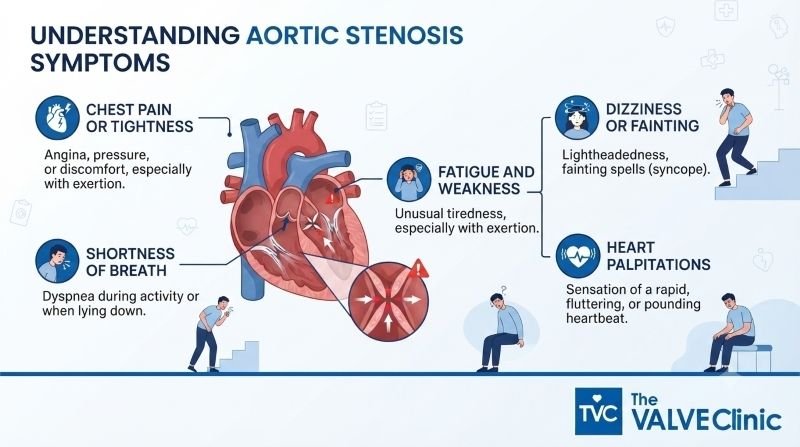
Not everyone with an aortic valve problem requires TAVI. The procedure is generally considered for patients with severe symptomatic aortic stenosis, particularly when symptoms begin affecting daily life.
Common symptoms include:
- Shortness of breath
- Chest discomfort
- Fatigue with minimal activity
- Dizziness or fainting
- Reduced exercise tolerance
Patients who may benefit include:
- Older adults with severe aortic stenosis
- Patients considered at increased surgical risk
- Individuals with certain medical conditions that make open-heart surgery more challenging
- Selected younger patients after detailed Heart Team evaluation
The decision involves reviewing:
- Echocardiography findings
- CT scan measurements
- Coronary artery assessment
- Overall medical condition
- Patient preferences and long-term treatment goals
Every patient requires an individual assessment before recommending TAVI.
TAVI Surgery in Mumbai: How the Procedure is Performed
Modern TAVI Surgery in Mumbai follows a carefully planned process involving cardiologists, cardiac surgeons, imaging specialists, anaesthetists, and specialised nursing teams.
Before the Procedure
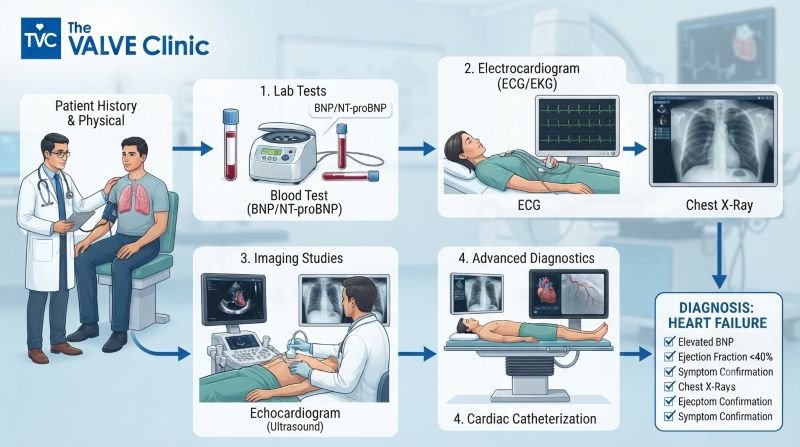
You may undergo:
- Echocardiography
- CT angiography
- Blood investigations
- ECG
- Coronary angiography if required
These tests help determine the safest valve size and the best route for implantation.
During the Procedure
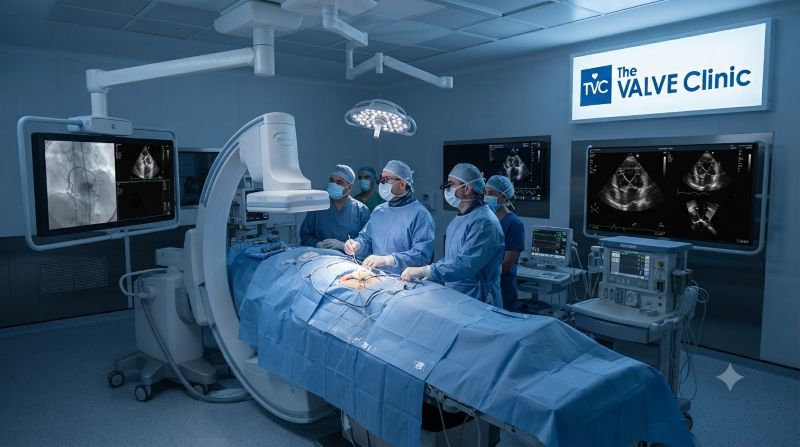
The procedure usually involves:
- Local anaesthesia with sedation or general anaesthesia.
- A small catheter inserted through the femoral artery.
- Guided placement of the replacement valve using advanced imaging.
- Expansion of the new valve inside the diseased valve.
- Immediate confirmation of valve function.
Most procedures are completed within one to two hours.
Benefits of TAVI
For carefully selected patients, TAVI offers several important advantages.
- Less Invasive Treatment
- No large chest incision is required in most patients.
- Faster Recovery
- Many patients are able to walk within a day and return home sooner than after conventional surgery.
Improved Symptoms
Most patients experience significant improvement in:
- Breathlessness
- Exercise capacity
- Energy levels
- Overall quality of life
Lower Surgical Trauma
Because the procedure avoids opening the chest, recovery may be easier for many elderly or higher-risk patients.
Excellent Clinical Outcomes
Current evidence shows excellent survival and valve performance in appropriately selected patients when performed by experienced heart valve teams.
Risks and Possible Complications
Although TAVI is considered safe, every heart procedure carries some risk.
Possible complications include:
- Bleeding
- Stroke
- Heart rhythm disturbances
- Need for permanent pacemaker
- Blood vessel injury
- Valve leakage around the implanted valve
- Infection
- Kidney complications
- Rare need for emergency surgery
The likelihood of these risks varies depending on age, existing medical conditions, and overall health.
Before recommending TAVI, every potential risk and expected benefit should be discussed thoroughly.
1. Recovery After TAVI
Recovery following TAVI is generally quicker than recovery after traditional valve replacement surgery.
2. Hospital Stay
Many patients remain in hospital for two to five days, depending on their overall condition.
3. Returning Home
After discharge, patients are encouraged to:
- Walk regularly
- Take prescribed medications
- Attend scheduled follow-up appointments
- Avoid heavy lifting for several weeks
- Follow heart-healthy dietary recommendations
4. Follow-up Care
Regular echocardiograms and clinical reviews help monitor the function of the implanted valve over time.
Most patients notice gradual improvement in stamina over several weeks.
What is the Success Rate of TAVI?
The success rate of TAVI is very high when patients are appropriately selected.
Advances in:
- Valve technology
- Imaging
- Catheter techniques
- Procedural planning
have significantly improved outcomes over the past decade.
Most patients experience:
- Relief from symptoms
- Better quality of life
- Improved physical activity
- Long-term valve function
However, long-term success depends on:
- Accurate diagnosis
- Appropriate patient selection
- Procedural expertise
- Regular follow-up
- Management of other heart conditions
 Dr. Ankur Phatarpekar’s Clinical Perspective
When I evaluate a patient with severe aortic stenosis, my first priority is understanding the individual rather than simply treating the valve. Age alone does not determine whether TAVI or surgical valve replacement is the better choice. I carefully review imaging, overall health, physical activity, other medical conditions, and the patient’s long-term goals before recommending treatment.
TAVI has transformed the way we manage many patients with aortic valve disease, particularly those who may benefit from a less invasive approach. However, it is not the right option for everyone. A detailed assessment allows us to choose the treatment that offers the safest procedure and the best long-term outcome. My aim is always to help patients understand their options clearly so they can make informed decisions with confidence.
Frequently Asked Questions
Choosing between valve replacement options often raises important questions. Below are answers to some of the most common concerns patients discuss during consultations with TAVI specialists.
Q. What is TAVI?
TAVI is a minimally invasive procedure used to replace a narrowed aortic valve without traditional open-heart surgery. TAVI specialists perform the procedure using a catheter, most commonly inserted through an artery in the groin.
Q. Who is eligible for TAVI?
Patients with severe symptomatic aortic stenosis may be suitable candidates after a detailed Heart Team evaluation that considers age, overall health, imaging findings, and surgical risk.
Q. Is TAVI safer than open-heart surgery?
Neither procedure is universally better. The safest option depends on your overall health, valve anatomy, age, and other medical conditions. Your heart team will recommend the most appropriate treatment.
Q. How long does recovery take after TAVI?
Most patients recover faster than after conventional surgery. Many resume light daily activities within one to two weeks, although full recovery varies from person to person.
Q. How long does a TAVI valve last?
Current evidence suggests modern TAVI valves have excellent durability, with many functioning well for more than 10 years. Ongoing follow-up helps monitor valve performance over time.
Q. Where can I consult experienced TAVI specialists in Mumbai?
If you are looking for TAVI specialists in Mumbai, a comprehensive evaluation by a dedicated heart valve team can determine whether TAVI or another treatment option is the most appropriate for your condition.
Talk to Dr. Ankur Phatarpekar at The Valve Clinic
If you’ve been advised to undergo TAVI or would like a second opinion about your treatment options, I’m happy to review your reports, explain the available choices, and help you understand which approach is most suitable for your condition. My goal is to ensure you feel informed and confident before making any decision about your heart valve care.
Phone: +91 90045-06263
Email: thevalveclinic@gmail.com
Address: 11TH FLOOR, DIAMOND PLAZA, 1101, Chabildas Rd, opp. Plaza Cinema, Dadar West, Dadar, Mumbai, Maharashtra 400028, India
About Dr. Ankur Phatarpekar
Reviewed by Dr. Ankur Phatarpekar
Dr. Ankur Phatarpekar specialises in the diagnosis and treatment of structural heart and valve diseases, with a focus on evidence-based, patient-centred care. His approach combines detailed clinical evaluation, advanced imaging, and collaborative Heart Team decision-making to recommend the most appropriate treatment for each individual.