
Heart valve disease, especially aortic stenosis, requires timely and effective treatment to avoid serious complications. Patients today can choose between traditional surgery and modern minimally invasive options like the TAVI heart procedure. Understanding safety, recovery, and long-term outcomes is key to making the right decision.
Quick Answer:
The TAVI heart procedure is generally safer for elderly and high-risk patients due to its minimally invasive nature, while open heart surgery remains a better option for younger individuals who need long-term valve durability.
What is TAVI Heart Procedure?
The TAVI heart procedure is a minimally invasive valve replacement technique that allows doctors to treat aortic stenosis without opening the chest. This approach, also known as transcatheter aortic valve implantation, offers faster recovery and fewer complications.
Instead of major surgery, a catheter is used to deliver a new valve to the heart. As a result, the TAVI heart procedure is widely recommended for patients who may not tolerate open surgery well.
- Elderly patients
- Individuals with high surgical risk
- Patients with multiple health conditions
These patients benefit significantly from the TAVI heart procedure, as it reduces recovery time and improves overall safety.
Understanding TAVI Procedure Steps
The TAVI procedure steps are carefully designed to ensure precision, safety, and minimal discomfort. Knowing these steps can help patients feel more confident before undergoing the treatment.
- Pre-procedure evaluation – CT scan and echocardiography
- Anesthesia administration – Local anesthesia or mild sedation
- Catheter insertion – Usually through the groin
- Valve placement – New valve positioned inside the old valve
- Activation – Valve starts functioning immediately
- Monitoring & recovery – Short hospital stay
These structured TAVI procedure steps highlight why the procedure is less invasive and allows quicker recovery compared to traditional surgery.
TAVI vs Open Heart Surgery: Key Differences
The comparison of TAVI vs open heart surgery helps patients understand which treatment is more suitable based on their health condition. While both approaches are effective, they differ significantly in recovery, risk, and comfort.
| Factor | TAVI Heart Procedure | Open Heart Surgery |
| Invasiveness | Minimally invasive | Highly invasive (chest opened) |
| Anesthesia | Local / Mild sedation | General anesthesia |
| Hospital Stay | 2–5 days | 7–10 days |
| Recovery Time | 1–2 weeks | 6–12 weeks |
| Risk Level | Lower in high-risk patients | Higher in elderly/high-risk patients |
| Suitable For | High-risk / elderly patients | Younger, low-risk patients |
| Scarring | Minimal | Significant |
This comparison clearly explains how TAVI vs open heart surgery differs in terms of safety, healing time, and patient comfort.
Safety Perspective
Clinical advancements have made TAVI vs open heart surgery outcomes comparable in many cases. However, TAVI is often considered safer for elderly and high-risk individuals due to reduced complications and faster recovery.
Who Should Consider TAVI Near Me?
Searching for TAVI near me is an important step toward finding the right treatment center. Choosing an experienced clinic ensures better outcomes and safer procedures.
You may be a suitable candidate if:
- You are above 65–70 years
- You have severe aortic stenosis
- You are at high surgical risk
- You prefer faster recovery
These factors indicate that patients exploring TAVI near me can benefit from minimally invasive treatment options and expert care.
Benefits of TAVI Over Open Surgery
The TAVI heart procedure offers several advantages that make it a preferred choice for many patients. In addition, it significantly reduces physical stress compared to traditional surgery.
- No major chest incision
- Reduced pain and trauma
- Faster hospital discharge
- Lower complication risk
- Quick return to daily life
These benefits show why the TAVI heart procedure is increasingly becoming the standard choice for eligible patients.
Limitations to Consider
Although the TAVI heart procedure is highly advanced, it may not be suitable for every patient. Therefore, proper evaluation is essential before choosing the treatment.
- Younger patients may need long-lasting valve solutions
- Complex valve conditions may require surgery
- Limited availability in some hospitals
These limitations should be carefully considered when evaluating TAVI vs open heart surgery for the best outcome.
TAVI Cost, Risks, and Recovery Time
The TAVI heart procedure is not only about safety but also involves cost, recovery, and potential risks. Understanding these factors helps patients make a more informed decision.
The cost of TAVI in India can vary depending on the hospital, expertise, and type of valve used. While it may appear higher than surgery initially, shorter hospital stays and faster recovery often balance the overall expense.
Risks may include:
- Minor bleeding or infection
- Valve leakage (rare)
- Need for pacemaker in some cases
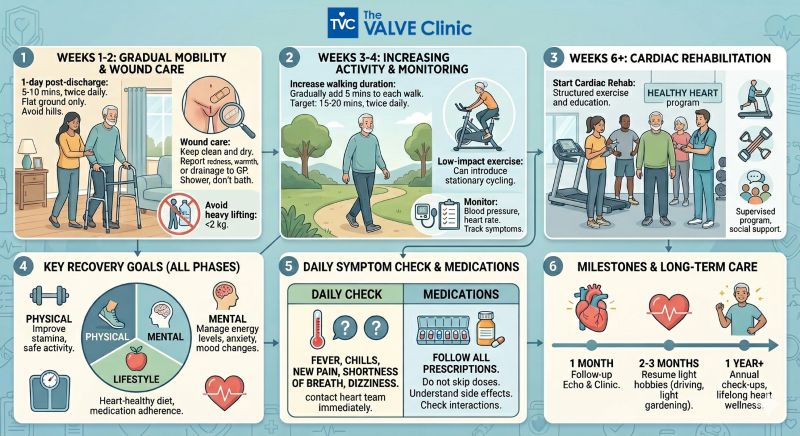
Recovery time:
Most patients recover within 1–2 weeks after completing the TAVI procedure steps, making it significantly faster than open surgery.
Overall, when comparing TAVI vs open heart surgery, TAVI provides a strong balance of safety, recovery, and convenience for the right candidates.
FAQs About TAVI
Patients often have important concerns before choosing a treatment, and understanding these answers can help reduce uncertainty and build confidence. The following FAQs explain key aspects of the TAVI heart procedure, recovery, safety, risks, and how to find the right care option near you.
Q. What is the success rate of the TAVI heart procedure?
The TAVI heart procedure has a success rate of over 95% when performed at experienced centers. In addition, advancements in technology have improved both short-term and long-term outcomes. Most patients experience significant symptom relief and improved quality of life after the procedure.
Q. How long does recovery take after TAVI?
Recovery after the TAVI procedure steps is relatively quick compared to open surgery. Most patients start walking within a day and resume normal activities within 1–2 weeks. However, regular follow-ups are important to ensure proper healing and valve performance.
Q. Is TAVI safer than open heart surgery?
When comparing TAVI vs open heart surgery, TAVI is generally safer for elderly and high-risk patients. It involves less trauma, reduced hospital stay, and fewer complications. On the other hand, open surgery may still be recommended for younger patients who require long-term durability.
Q. What are the risks of the TAVI procedure?
Like any medical treatment, the TAVI heart procedure carries some risks, although they are relatively low. These may include bleeding, infection, or the need for a pacemaker in certain cases. However, with experienced specialists, the procedure is considered safe and well-controlled.
Q. How do I find the best TAVI near me?
To find the best TAVI near me, look for specialized heart clinics with experienced cardiologists and advanced facilities. It is also important to check patient outcomes, technology availability, and post-procedure care. Choosing the right center plays a crucial role in treatment success.
The Valve Clinic – Advanced Care for TAVI Heart Procedure
At The Valve Clinic, we specialize in advanced heart valve treatments including the TAVI heart procedure. Our expert team ensures precise execution of all TAVI procedure steps, helping patients choose confidently between TAVI vs open heart surgery. If you are searching for trusted TAVI near me, we provide personalized care, advanced technology, and proven outcomes for every patient.
Book Your Consultation Today ❤️
📍 Address: 11th Floor, Diamond Plaza, Chhabildas Road, Dadar West, Mumbai – 400028, Maharashtra, India
📞 Tel: +91 9004506263
📧 Email: thevalveclinic@gmail.com
Book a consultation with The Valve Clinic today to determine whether the TAVI heart procedure is right for you. Early diagnosis and expert care can significantly improve heart health and long-term outcomes.