Heart valve disease, particularly aortic stenosis, can become life-threatening if not treated at the right time. For patients who are not fit for open-heart surgery, cardiologists now strongly recommend TAVR surgery as a safer and highly effective alternative.
TAVR surgery is a minimally invasive heart valve replacement procedure used primarily for patients who cannot undergo open-heart surgery. It offers faster recovery, fewer complications, and excellent long-term outcomes, especially for elderly and medically complex individuals.
What is TAVR Procedure?
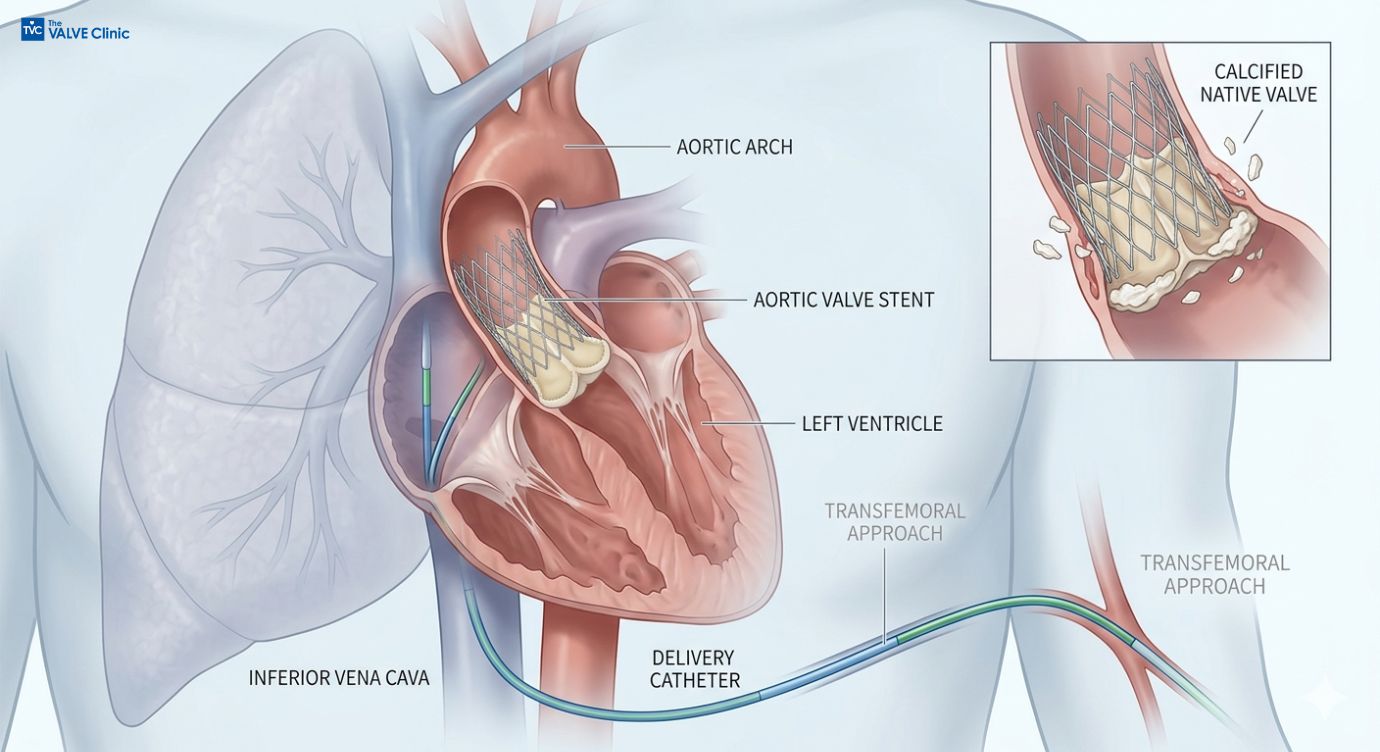
Transcatheter Aortic Valve Replacement (TAVR) is an advanced technique where a new valve is inserted inside the damaged aortic valve using a catheter, typically through the groin.
Unlike traditional surgery, TAVR surgery does not require opening the chest. The new valve expands within the old valve and immediately restores proper blood flow. This makes it an ideal solution for high-risk patients who may not tolerate invasive procedures.
Why TAVR Surgery is Recommended for High-Risk Patients
- Clinical Advantages of TAVR Surgery
Cardiologists recommend TAVR surgery for high-risk patients due to its minimally invasive nature and lower complication rates. It significantly reduces surgical trauma, making it safer for elderly individuals and those with multiple health conditions. - When Doctors Avoid Open Surgery
Patients with conditions like severe lung disease, kidney problems, or prior heart surgeries are often unsuitable for open-heart procedures. In such cases, TAVR surgery becomes the preferred life-saving option.
TAVR Surgery vs Open Heart Surgery
| Feature | TAVR Surgery | Open-Heart Surgery |
| Procedure Type | Minimally invasive | Highly invasive |
| Incision | Small (catheter-based) | Large chest incision |
| Recovery Time | 1–2 weeks | 6–12 weeks |
| Hospital Stay | 2–5 days | 7–10 days |
| Pain Level | Mild | Moderate to severe |
| Risk Level | Lower for high-risk patients | Higher in complex cases |
| Ideal for | High-risk patients | Low to moderate risk patients |
This comparison clearly shows why TAVR surgery is increasingly preferred over conventional surgery for high-risk patients.
Who Are Considered High-Risk Patients?
Not every patient can safely undergo open-heart surgery. Doctors classify individuals as high-risk patients based on several medical factors:
- Advanced age (typically above 70–75 years)
- Multiple chronic conditions (diabetes, kidney disease)
- Previous heart surgeries
- Reduced physical strength or frailty
- Lung-related complications
For such individuals, TAVR surgery offers a safer, less invasive alternative with quicker recovery.
Symptoms of Aortic Valve Disease
Recognizing symptoms early can help patients seek timely treatment and avoid complications. Common symptoms include:
- Chest pain or tightness
- Shortness of breath
- Fatigue and reduced stamina
- Dizziness or fainting
- Irregular heartbeat
If these symptoms are present, early evaluation for TAVR surgery can be life-saving, especially in high-risk patients.
What to Expect Before, During and After TAVR Surgery
- Before the Procedure
Patients undergo detailed imaging tests and evaluation by specialists to determine eligibility for TAVR surgery. - During the Procedure
A catheter is inserted through a blood vessel, and the new valve is positioned accurately within the heart. The procedure typically takes 1–2 hours. - After the Procedure
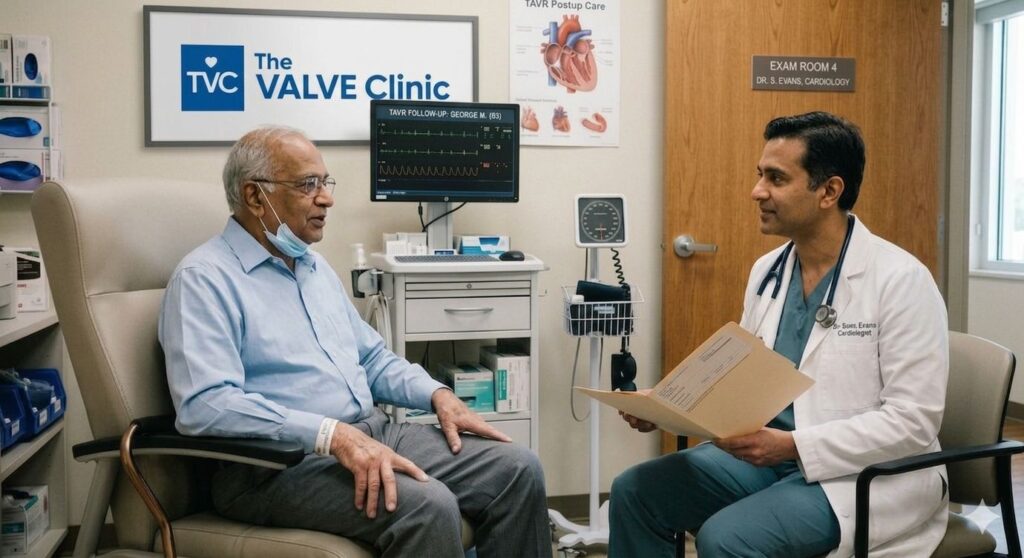
Recovery is quick, with most high-risk patients walking within 24 hours and resuming daily activities within a week or two.
Cost of TAVR Surgery in Mumbai
The cost of TAVR surgery in Mumbai can vary depending on the hospital, technology used, and patient condition. On average, it ranges between ₹18–30 lakhs.
While the cost may seem high, the benefits such as reduced hospital stay, faster recovery, and lower complication rates make it a valuable investment in long-term heart health for high-risk patients.
Choosing the Best TAVR Doctors in Mumbai
Selecting the best TAVR doctors in Mumbai is crucial for a successful outcome. Experienced specialists ensure precision, safety, and comprehensive care throughout the treatment journey.
When choosing a specialist, consider:
- Experience in performing TAVR surgery
- Access to advanced cardiac technology
- Multidisciplinary heart team approach
- Proven patient outcomes
Consulting the best TAVR doctors in Mumbai significantly improves treatment success and recovery.
Risks of Delaying TAVR Surgery
Delaying treatment for aortic valve disease can lead to serious complications, including heart failure and sudden cardiac events. For high-risk patients, postponing TAVR surgery may reduce survival chances.
Early diagnosis and timely intervention can significantly improve quality of life and long-term outcomes.
FAQs About TAVR Surgery
Understanding the procedure in detail can help patients and families make informed decisions with confidence. Below are some commonly asked questions about TAVR surgery, especially for those exploring treatment options for high-risk patients. These answers provide clear, practical insights to guide you through the process.
Q. What is TAVR procedure and how does it work?
It is a minimally invasive method where a replacement valve is delivered through a catheter and placed inside the diseased valve. TAVR surgery restores normal blood flow instantly without the need for open-heart surgery. This makes it highly suitable for high-risk patients seeking safer treatment options.
Q. Who should consider TAVR surgery?
TAVR surgery is ideal for high-risk patients, particularly elderly individuals or those with serious medical conditions that make open surgery risky. A detailed evaluation by the best TAVR doctors in Mumbai helps determine eligibility. The procedure offers effective results with reduced recovery time.
Q. Is TAVR surgery better than open-heart surgery?
For high-risk patients, TAVR surgery is often a better option due to its minimally invasive approach and lower complication risks. While open-heart surgery may still be suitable for younger or low-risk patients, TAVR provides a safer alternative with faster recovery when performed by the best TAVR doctors in Mumbai.
Q. How long does recovery take after TAVR surgery?
Recovery after TAVR surgery is significantly quicker compared to traditional surgery. Most high-risk patients can walk within a day and resume routine activities within 1–2 weeks. Proper follow-up care ensures long-term success and improved heart function.
❤️ The Valve Clinic – Advanced TAVR Care for High-Risk Patients
Delaying valve treatment can increase life-threatening risks, especially for high-risk patients. At The Valve Clinic, we specialize in advanced TAVR surgery, offering safe, precise, and minimally invasive solutions tailored to each patient.
Our team includes some of the best TAVR doctors in Mumbai, supported by cutting-edge technology and comprehensive cardiac care. From diagnosis to recovery, we ensure personalized attention and world-class outcomes. Book your consultation today and take a confident step toward better heart health.
📍 Address: 11th Floor, Diamond Plaza, Chhabildas Road, Dadar West, Mumbai – 400028, Maharashtra, India
📞 Tel: +91 9004506263
📧 Email: thevalveclinic@gmail.com