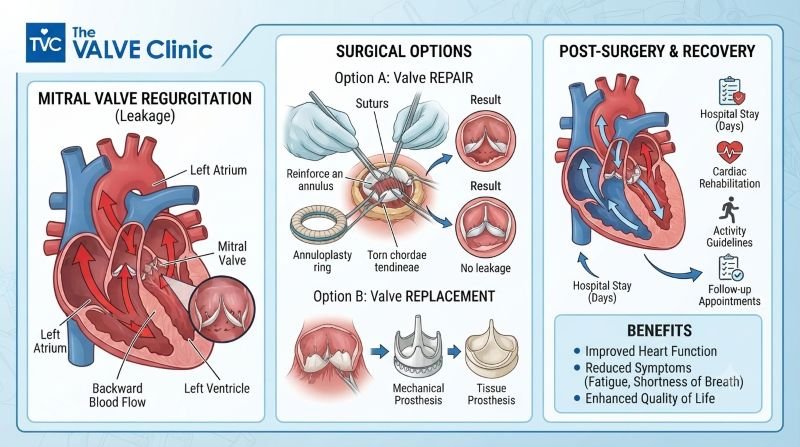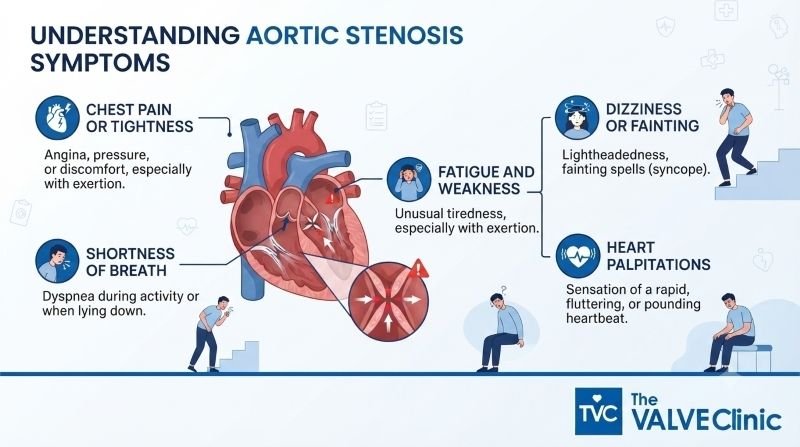

If you or a loved one has been diagnosed with a heart valve problem, especially mitral valve narrowing you may have come across the term BMV during a doctor’s consultation. It’s completely normal to feel confused by medical abbreviations, and many patients ask, “What exactly is BMV, and why do I need it?” This blog is written to answer those very questions in a clear, patient-friendly way.
BMV stands for Balloon Mitral Valvotomy. It is a well-established heart treatment used to improve blood flow in patients who have mitral valve stenosis, a condition where the mitral valve becomes narrow and restricts blood flow from the left atrium to the left ventricle. BMV has helped thousands of patients worldwide breathe easier, feel more energetic, and avoid major open-heart surgery.
What is the BMV Procedure?
The BMV procedure is a minimally invasive heart treatment designed to open a narrowed mitral valve using a special balloon catheter. Instead of cutting open the chest, doctors guide a thin tube through a blood vessel to reach the heart. Once positioned across the mitral valve, a balloon is inflated to gently widen the valve opening.
This approach allows blood to flow more freely through the heart, reducing symptoms like breathlessness, fatigue, and palpitations. The BMV procedure is commonly recommended for patients whose mitral valve narrowing is moderate to severe but still suitable for balloon treatment.
Key points about the BMV procedure:
- It is not open-heart surgery and usually does not require a large incision
- The procedure is typically done under local anesthesia with sedation or light general anesthesia
- A catheter is inserted through a vein in the leg and guided to the heart
- The balloon is inflated for a short time to stretch open the valve
- Most patients experience symptom relief and improved breathing
- Recovery time is usually short, with many patients going home within a day or two
Doctors recommend BMV for selected patients after careful evaluation to be sure it’s safe and appropriate for their specific heart condition.
Why is the BMV Procedure Recommended?
The BMV (Balloon Mitral Valvuloplasty) procedure is recommended to help improve blood flow through a narrowed mitral valve and relieve symptoms caused by mitral valve stenosis. When the valve does not open properly, the heart has to work harder, which can lead to shortness of breath, tiredness, and reduced ability to do daily activities. BMV helps open the valve without the need for open-heart surgery, making it a safer and less invasive option for many patients.
BMV may be recommended because it:
- Improves blood flow from the heart to the body
- Reduces symptoms like breathlessness, fatigue, and chest discomfort
- Helps patients return to normal daily activities more easily
- Is a minimally invasive alternative to open-heart surgery
- Has a shorter hospital stay and faster recovery
- Is especially helpful for patients who are not ideal candidates for surgery
Your doctor will recommend BMV after evaluating your heart condition, symptoms, and overall health to ensure it is the best treatment option for you.
Is BMV a Surgery or Non-Surgical Procedure?
The BMV (Balloon Mitral Valvuloplasty) is considered a non-surgical, minimally invasive procedure, not traditional surgery. It does not involve opening the chest or stopping the heart. Instead, doctors use a thin tube called a catheter to reach the heart through a blood vessel, usually from the leg, to gently open the narrowed mitral valve. This approach makes the procedure safer and easier to recover from compared to open-heart surgery.
What makes BMV a non-surgical procedure:
- No large cuts or chest opening are required
- The heart is not removed or stopped during the procedure
- Performed using a catheter inserted through a vein in the leg
- Usually done with local anesthesia and light sedation
- Less pain and faster recovery time than surgery
- Short hospital stay, often 1–2 days
Because it is less invasive, BMV is often a preferred option for suitable patients after careful evaluation by the heart specialist.
How is the BMV Procedure Performed?
The BMV (Balloon Mitral Valvuloplasty) procedure is performed in a special heart catheterization laboratory using imaging guidance to ensure safety and accuracy. After giving anesthesia to keep the patient comfortable, the doctor inserts a thin, flexible tube (catheter) into a blood vessel, usually in the leg, and gently guides it to the heart. A small balloon at the tip of the catheter is positioned across the narrowed mitral valve and briefly inflated to widen the valve opening and improve blood flow.
Steps involved in the BMV procedure include:
- The patient is given local anesthesia with sedation or light general anesthesia
- A catheter is inserted through a vein in the groin (leg)
- The catheter is carefully guided to the heart using X-ray and ultrasound imaging
- A balloon is placed across the narrowed mitral valve
- The balloon is inflated for a few seconds to open the valve
- The balloon and catheter are then removed once the valve opening improves
The procedure usually takes a short time, and most patients can sit up, walk, and return home within a day or two after observation.
Life After BMV: What Patients Can Expect
After a successful BMV procedure, many patients notice significant improvement in symptoms within days to weeks. Breathing becomes easier, exercise tolerance improves, and overall quality of life gets better. Regular follow-ups, medications, and heart-healthy habits remain important for long-term success.
While BMV surgery may still be needed later in life for some patients, BMV often delays that need by many years. For many, it provides an effective and safe solution during a crucial stage of heart disease.
The Importance of BMV Surgery in Managing Heart Valve Disorders
BMV surgery plays a critical role in treating patients with heart valve disorders, particularly those affecting the mitral valve. This minimally invasive procedure helps restore proper blood flow, relieve symptoms, and improve overall cardiac function. Early intervention with BMV surgery can prevent serious complications such as heart failure or atrial fibrillation, making it an essential option for eligible patients. Key benefits of BMV surgery include:
Symptom relief: Reduces shortness of breath, fatigue, and swelling associated with valve dysfunction.
Improved heart function: Enhances blood circulation and prevents the heart from working harder than necessary.
Minimally invasive: Offers quicker recovery times compared to traditional open-heart surgery.
Prevention of complications: Lowers the risk of stroke, heart failure, and other valve-related issues.
BMV surgery is increasingly recognized as a safe and effective solution for improving quality of life in individuals with heart valve disorders.
In Short
BMV, or Balloon Mitral Valvotomy, is a trusted and effective treatment for mitral valve stenosis. Whether you hear it called the BMV procedure or BMV surgery, the goal is the same to restore better blood flow and help your heart work more efficiently. If your doctor has suggested BMV, it means they believe this approach offers you a safer, less invasive path to better heart health.
If you still have questions or concerns, don’t hesitate to discuss with our cardiologist, being informed is the first step toward confident care.
Click here to discovering the comprehensive guide to TAVI procedure cost in Mumbai that everyone should read before deciding