
BMV Surgery: Procedure, Recovery, and Considerations
We often meet patients who feel overwhelmed when they hear the term BMV surgery. It stands for Balloon Mitral Valvotomy, a treatment for narrowing of the mitral valve in the heart. When this valve becomes stiff or blocked due to rheumatic fever or age, it can restrict blood flow. That’s when this minimally invasive procedure may require medical evaluation and treatment.
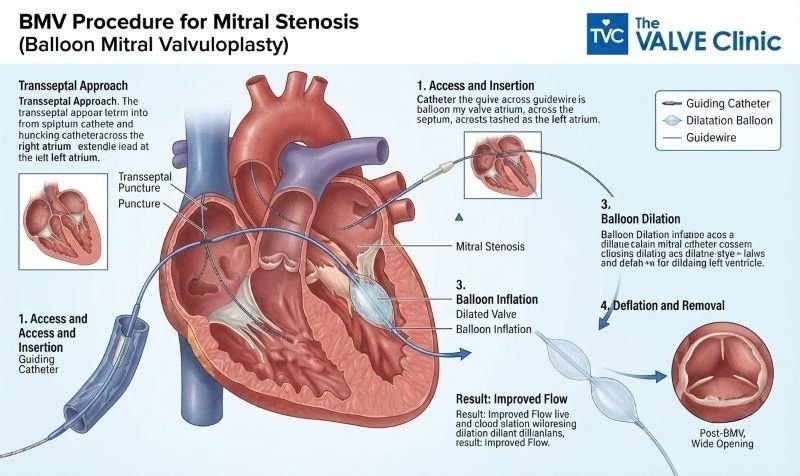
We use a balloon-tipped catheter to widen the valve opening. This reduces symptoms like breathlessness, chest discomfort, and fatigue. The entire process usually takes just a few hours. Recovery time is also shorter compared to open-heart surgery. We aim to help patients understand the procedure and its considerations before taking the next step.
Understanding the BMV Procedure in Simple Terms
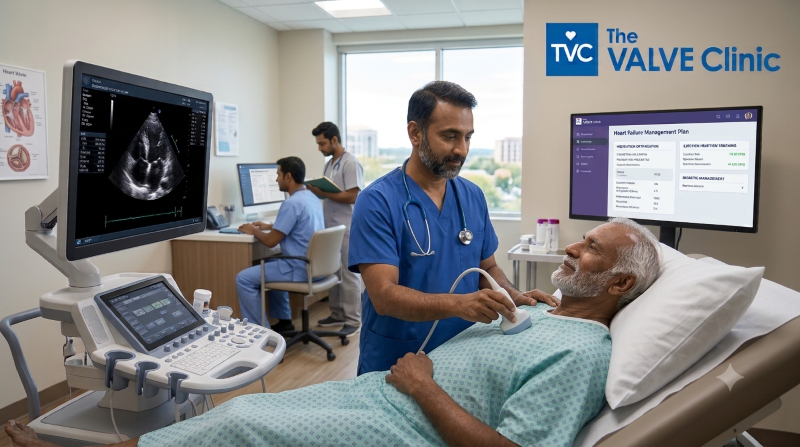
During the BMV procedure, we guide a balloon catheter through a vein into the heart. This balloon is gently inflated to stretch the narrowed mitral valve. It sounds simple but it requires precision, experience, and a well-equipped team. We rely on advanced imaging tools to monitor the heart in real time.
The BMV procedure avoids large incisions, so recovery may differ from that after open-heart surgery. Most patients go home within a day or two. We recommend regular check-ups and heart scans after the procedure to monitor the patient’s progress and valve function. Our team focuses on safety and comfort, every step of the way.
When Is a BMV Medical Procedure Considered?
Delaying a BMV medical procedure may lead to worsening symptoms in some patients. Mitral stenosis may worsen, causing severe symptoms and heart failure. We believe early diagnosis and timely assessment can help guide treatment decisions. If you’ve been diagnosed with narrowed mitral valves, the procedure may help improve symptoms in suitable patients.
We conduct a thorough evaluation, echocardiogram, ECG, and blood tests before proceeding. Not everyone is a candidate, so we ensure complete clarity. The benefits of the BMV medical procedure include potential benefits may include improved blood flow and symptom relief. For us, every patient’s heart health is a priority.
How to Evaluate Hospitals When Searching for BMV Surgery Near Me
When comparing hospitals for BMV surgery near me, consider the availability of appropriate cardiac facilities, the clinical team’s relevant experience, diagnostic resources, and follow-up care. Patients can also review publicly available information about hospital services and ask their cardiologist questions about the proposed treatment.
The suitability of a BMV procedure depends on individual factors, including the severity of mitral valve narrowing, valve anatomy, medical history, and overall health. A qualified cardiologist can explain the potential benefits, risks, alternatives, and expected recovery based on the patient’s clinical assessment.
What Is a Heart Murmur? And How Is It Linked to BMV?
Many of our patients first come in after their doctor hears a “heart murmur.” But what is a heart murmur? It’s a whooshing or swishing sound made by turbulent blood flow in the heart. It can be harmless or it may signal problems like mitral stenosis.
Key points about heart murmurs:
- Innocent murmurs are common and usually harmless, especially in children.
- Abnormal murmurs may be caused by heart valve problems, congenital heart defects, or other cardiac conditions.
- Symptoms (if present) might include shortness of breath, chest pain, fatigue, or bluish skin.
- Diagnosis often involves follow-up tests like echocardiograms or electrocardiograms.
- Treatment depends on the cause and may not be necessary for innocent murmurs, while abnormal murmurs might require medication or surgery.
We now understand that heart murmurs are sometimes the first sign that something’s wrong with the mitral valve. That’s how many of us come to know about the BMV medical procedure. We always investigate murmurs thoroughly. Better safe than sorry.
Understanding BMV Care at “The Valve Clinic”
At The Valve Clinic, we’ve made it our mission to simplify valve care. Whether you’re newly diagnosed or exploring the BMV procedure, we’re here to guide you. We believe every patient deserves honest advice, transparent options, and available treatment options. Our team works closely with you to decide if BMV surgery is right for your heart. Whether you’re seeking a BMV medical procedure or looking up the hospitals for BMV surgery near me, follow-up is available from the care team.
Our team provides care for people with heart valve conditions with attention to clinical assessment and patient communication. Our process is clear, supportive, and patient-focused. The care team can explain the procedure, potential risks, and follow-up. Discuss the recommended timing of treatment with your cardiologist if you’ve been advised to undergo a BMV procedure, let’s talk today. We’re here for your heart’s health, every step of the way.