Heart valve disease can feel overwhelming, especially when it affects something as vital as the mitral valve. If a doctor has advised you or a loved one treatment, you may worry about surgery, recovery, and risks. The good news is that modern cardiology now offers a safer, less invasive alternative to the TMVR procedure.
TMVR procedure is a minimally invasive heart valve replacement technique where surgeons insert a new mitral valve using a catheter without open-heart surgery.
This complete patient guide will help you understand the procedure, benefits, risks, recovery, and how to choose the right specialist.
What is TMVR Procedure?
The TMVR procedure is an advanced, minimally invasive treatment designed to replace a damaged mitral valve without open-heart surgery. It offers a safer and more comfortable option for patients who may not be suitable for traditional surgical approaches.
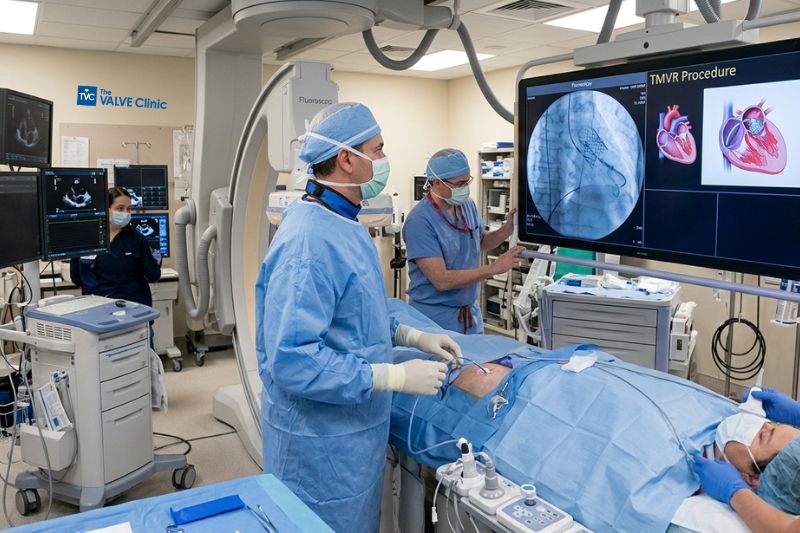
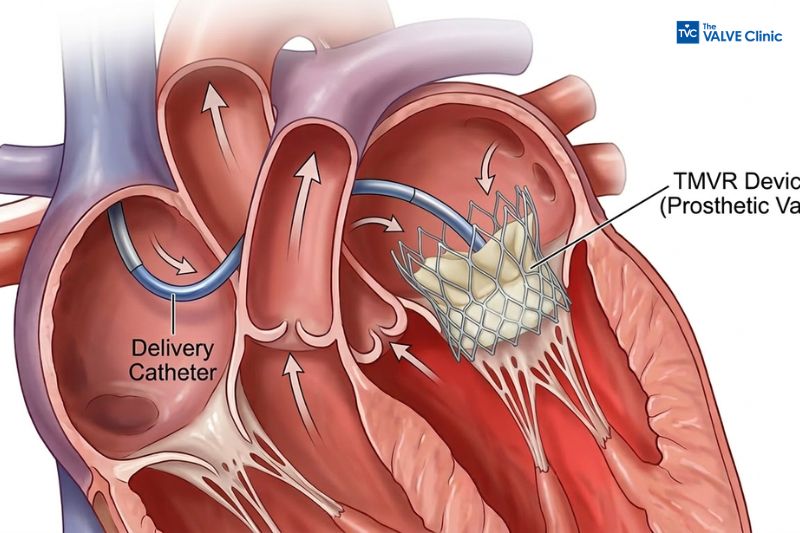
Surgeons perform the TMVR procedure (Transcatheter Mitral Valve Replacement) using a catheter inserted through a blood vessel, usually from the leg and guided to the heart. The surgeon then places a new valve inside the damaged one.
This approach is especially helpful for:
- Elderly patients
- Patients with high surgical risk
- Individuals with other medical conditions
This minimally invasive approach allows patients to undergo treatment with reduced stress, quicker recovery, and improved overall outcomes.
Understanding Mitral Valve Replacement
Mitral valve replacement is a critical treatment for patients whose mitral valve is not functioning properly. Understanding this condition helps patients make informed decisions about their heart health and treatment options.
Surgeons require mitral valve replacement when the mitral valve does not function properly, often due to conditions like:
- Mitral regurgitation (leakage of blood)
- Mitral stenosis (narrowing of the valve)
Traditionally, mitral valve replacement required open-heart surgery. However, with TMVR:
- No large chest incision is needed
- Recovery time is shorter
- Hospital stay is reduced
- Risk of complications is lower in many cases
This makes it a safer and more convenient option for many patients seeking effective valve treatment.
Who Needs TMVR Procedure?
The TMVR procedure is not for everyone, but it is highly beneficial for patients with severe mitral valve disease who cannot undergo open-heart surgery. A proper evaluation helps determine the right candidates for this advanced treatment.
We recommend the TMVR procedure for patients who:
- Have severe mitral valve disease
- Experience symptoms like breathlessness or fatigue
- Are at high risk for open-heart surgery
- Have previously undergone valve surgery
Identifying the right candidates ensures better success rates and long-term improvement in heart function.
Benefits of TMVR Procedure
The TMVR procedure offers multiple advantages over traditional surgery, making it a preferred option for many patients. Its minimally invasive nature significantly improves patient comfort and recovery.
Many patients prefer the TMVR procedure because of its clear advantages:
- Minimally invasive (no open-heart surgery)
- Faster recovery and shorter hospital stay
- Reduced pain and scarring
- Lower risk for high-risk patients
- Improved quality of life
These benefits make TMVR a modern and effective solution for managing mitral valve disease.

TMVR Procedure Steps
Understanding the TMVR procedure steps can help reduce anxiety and prepare patients for what to expect before, during, and after the procedure. Knowing each step builds confidence and clarity.
TMVR Procedure Steps Explained
| Step | Description |
| Pre-procedure evaluation | Imaging tests like echocardiogram and CT scan are done to assess suitability |
| Anesthesia | The patient is given general anesthesia or sedation |
| Catheter insertion | A catheter is inserted through a blood vessel (usually femoral vein) |
| Valve positioning | The new valve is guided to the mitral valve location |
| Valve deployment | The replacement valve is expanded and placed inside the old valve |
| Function check | Doctors ensure the new valve is working properly |
| Recovery | The catheter is removed and patient is monitored |
Medical professionals perform these TMVR procedure steps with precision and advanced technology to ensure safety and successful outcomes.
How TMVR Procedure is Done
Many patients wonder how doctors actually perform the TMVR procedure. Understanding the process in simple terms can help reduce fear and build confidence before treatment.
Here’s a simple explanation:
- A catheter is inserted through a vein in the leg
- It is carefully guided to the heart
- The new valve is positioned inside the damaged mitral valve
- The valve is expanded and starts working immediately
This minimally invasive process ensures effective valve replacement without the need for major surgery.
Recovery After TMVR Procedure
Recovery after the TMVR procedure is usually quick and comfortable compared to traditional surgery. Patients can return to their normal routine much sooner with proper care and guidance.
Most patients can expect:
- Hospital stay of 2–5 days
- Quick return to daily activities
- Minimal discomfort
- Regular follow-up visits
Tips for smooth recovery:
- Follow your doctor’s medication plan
- Avoid heavy physical activity initially
- Attend all follow-up appointments
- Maintain a heart-healthy lifestyle
Following these recovery guidelines helps ensure long-term success and better heart health after the procedure.
Risks of TMVR Procedure
While doctors consider the TMVR procedure safe, patients must understand the potential risks involved. Staying informed helps you make confident and well-prepared decisions.
The TMVR procedure may involve risks such as:
- Bleeding at the catheter insertion site
- Infection
- Valve leakage (paravalvular leak)
- Blood clots
- Irregular heart rhythm
Understanding these risks allows patients and doctors to take necessary precautions for a safer outcome.
Growing Access to Advanced Cardiac Care with TMVR in India
The availability of TMVR in India has made advanced heart care more accessible and affordable for patients. Many hospitals now offer world-class treatment with excellent outcomes.
Why patients choose TMVR in India:
- Experienced cardiac specialists
- Advanced technology and imaging
- Cost-effective treatment
- Short waiting times
India continues to be a preferred destination for high-quality and affordable cardiac procedures.
Choosing the Right Cardiac Surgeon for TMVR India
Choosing the right cardiac surgeon for TMVR India plays a crucial role in the success of the procedure. An experienced specialist ensures better precision and safer outcomes.
Here’s what to look for:
- Experience in transcatheter procedures
- Proven success rates
- Access to advanced facilities
- Strong patient reviews and testimonials
Selecting the right surgeon can significantly improve treatment success and patient confidence.
Best Hospital for Mitral Valve Replacement – The Valve Clinic
Why Choose The Valve Clinic for Mitral Valve Replacement?
Finding the best hospital for mitral valve replacement is essential for receiving safe, effective, and personalized care. The right hospital ensures better outcomes and a smoother patient journey.
When searching for the best hospital for mitral valve replacement, The Valve Clinic is a trusted choice for advanced cardiac care.
At The Valve Clinic, you benefit from:
- Expert consultation with experienced cardiac specialists
- Advanced diagnostic and imaging technology
- Personalized treatment plans tailored to each patient
- Minimally invasive procedures including TMVR
- Comprehensive pre- and post-procedure care
Choosing a specialized center like The Valve Clinic ensures high-quality treatment, safety, and long-term heart health.
Frequently Asked Questions (FAQs)
These frequently asked questions about the TMVR procedure address common concerns patients have before undergoing treatment. Understanding these answers can help you feel more confident and prepared for your healthcare journey.
Q. Is TMVR safer than open heart surgery?
Yes, the TMVR procedure is generally safer than open-heart surgery for high-risk patients. It avoids large incisions, reduces trauma to the body, lowers complication risks, and allows for faster recovery compared to traditional surgical methods.
Q. How long does the TMVR procedure take?
The TMVR procedure usually takes between 2 to 4 hours, depending on the patient’s condition and complexity. Most patients are monitored in the hospital for a few days after the procedure.
Q. Who is eligible for TMVR?
Patients with severe mitral valve disease who are at high risk for open-heart surgery are typically eligible for the TMVR procedure. A detailed evaluation, including imaging and medical history, is required to confirm suitability.
Q. How is TMVR done?
The TMVR procedure is done by inserting a catheter through a blood vessel, guiding it to the heart, and placing a new valve inside the damaged mitral valve. This minimally invasive method avoids the need for open-heart surgery.
📞 Take the Next Step Towards Better Heart Health
If you or your loved one is considering the TMVR procedure, early consultation can help you make the right decision and avoid complications.
📍 Address: 11th Floor, Diamond Plaza, Chhabildas Road, Dadar West, Mumbai – 400028, Maharashtra, India
📞 Call Now: +91 9004506263
📧 Email: thevalveclinic@gmail.com
❤️ Book your consultation today and find out if TMVR is the right treatment for you. Your heart deserves expert care.