
A heart check-up helps identify problems with the heart, blood vessels, rhythm, or valves before they become more difficult to manage. Depending on your symptoms, age, risk factors and medical history, your evaluation may include an ECG, echocardiogram, TMT, blood tests or more specialised cardiac imaging.
A heart check-up is not necessarily a long list of tests. The right approach is to choose investigations that answer a specific clinical question. For someone with palpitations, an ECG may be important. For breathlessness or a suspected valve problem, an echocardiogram can provide much more information. If symptoms occur mainly during exertion, a TMT or another form of stress testing may be considered.
The purpose is not simply to collect reports. It is to understand what those reports mean together.
Heart Check-Up in Mumbai: ECG, Echo, TMT and Other Cardiac Tests
Different heart tests answer different questions. Your cardiologist may recommend one test or a combination depending on what they find during your consultation.
Electrocardiogram or ECG
An ECG records the electrical activity of your heart and can provide information about your heart rate and rhythm. It may help identify rhythm abnormalities and can also contribute to the evaluation of several other heart conditions.
It is usually quick, painless and does not require an injection.
An ECG can be particularly useful if you have:
- Palpitations or a racing heartbeat
- Dizziness or episodes of fainting
- Chest discomfort
- An irregular pulse
- A known heart condition that needs monitoring
However, a normal ECG does not automatically mean that every aspect of your heart is normal. Some conditions require imaging or tests performed during exertion.
Echocardiogram or Echo
An echocardiogram uses ultrasound to create moving images of the heart. It helps assess the heart chambers, pumping function and heart valves. It is especially important when there is a heart murmur, breathlessness, suspected heart failure or possible valve disease.
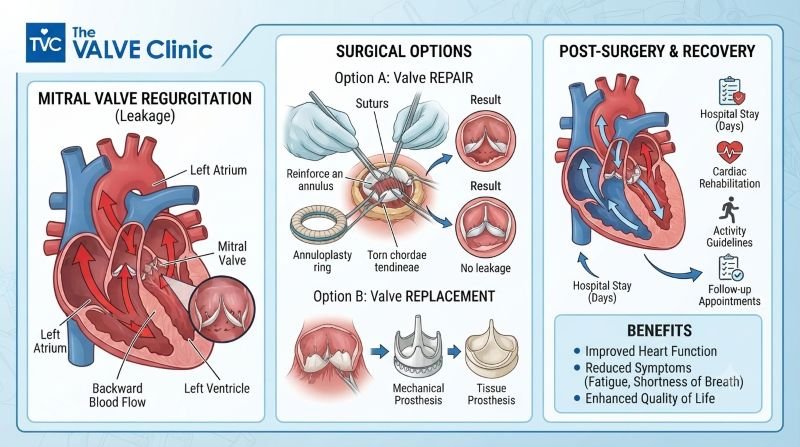
For example, if I suspect a problem involving the mitral heart valve, an echocardiogram can help determine whether the valve is narrowed or leaking and how significantly the heart is affected.
Depending on the clinical question, different types of echocardiography may be used. A transesophageal echocardiogram, for instance, can provide more detailed views of certain heart structures and valves.
TMT or Exercise Stress Test
A treadmill test, commonly called a TMT or exercise stress test, looks at how your heart responds when it has to work harder.
During the test, your heart rhythm, blood pressure and symptoms are monitored while you exercise. A stress test can help assess how the heart responds to exertion and whether there are changes suggesting reduced blood supply to the heart muscle.
A TMT may be considered when symptoms such as chest discomfort or breathlessness are related to physical activity.
It is not appropriate for everyone, though. Your overall health, symptoms and ability to exercise need to be considered before choosing this test.
Blood Tests
A heart evaluation may also involve blood tests. These can assess factors that influence cardiovascular risk, such as cholesterol and blood sugar.
When someone has symptoms suggesting an acute cardiac problem, doctors may also use specific cardiac blood markers such as troponin. The choice of blood tests depends on the clinical situation rather than being identical for every routine check-up.
Additional Cardiac Imaging
Sometimes an ECG, echo or TMT does not provide the complete answer. Depending on the situation, further investigations may include:
- CT coronary angiography
- Cardiac MRI
- Nuclear stress testing
- Coronary angiography
- Advanced echocardiography
For example, a nuclear stress test can assess blood flow to the heart muscle at rest and during stress, while cardiac CT can provide detailed images of the heart and coronary arteries.
The important point is that advanced testing should have a reason behind it. More testing is not necessarily better testing.
Which Heart Tests Might You Need?
There is no single heart check-up package that is ideal for everyone.
I usually think about the evaluation in terms of the question we are trying to answer.
| Your concern | Tests that may be considered |
| Routine cardiovascular assessment | Blood pressure, examination, ECG and selected blood tests |
| Palpitations | ECG and, when needed, prolonged rhythm monitoring |
| Breathlessness | ECG, echocardiogram and other tests based on findings |
| Suspected valve disease | Echocardiogram, sometimes with advanced echo imaging |
| Chest discomfort during activity | ECG, TMT or another appropriate stress/imaging test |
| Suspected coronary artery disease | Stress testing, CT coronary angiography or other investigations depending on risk |
| Known heart valve disease | Echocardiography and periodic follow-up imaging |
| Previous heart procedure | Targeted imaging and tests based on the procedure and current symptoms |
This is why I prefer a clinically guided assessment rather than automatically ordering every available test.
When Should You Consider a Heart Check-Up?
A heart check-up can be reasonable even when you do not have obvious symptoms, particularly when cardiovascular risk factors or a known heart condition are present.
You should discuss a cardiac evaluation with a doctor if you have symptoms such as:
- Chest discomfort or pressure
- Unexplained breathlessness
- Palpitations
- Dizziness or fainting
- Reduced exercise tolerance
- Swelling of the legs
- Unusual fatigue during physical activity
A check-up may also be useful if you have conditions or risk factors such as high blood pressure, diabetes, high cholesterol, smoking history, a strong family history of heart disease, or previously diagnosed heart disease.
If you already know that you have a valve problem, regular assessment can be particularly important. Heart valve disease may sometimes remain relatively quiet while changes are developing, which is why echocardiographic surveillance can form an important part of follow-up.
For someone with a suspected or established valve problem, the goal is not simply to confirm that a valve is abnormal. We need to understand its severity, how the heart is responding and whether monitoring or treatment is appropriate.
Dr. Ankur Phatarpekar Clinical Perspective
When a patient comes to me asking for a complete heart check-up, my first thought is not, “Which package should we order?”
I ask: What are we trying to find out?
A person with palpitations needs a different evaluation from someone who becomes breathless while climbing stairs. Similarly, a patient with a known mitral valve problem needs a different assessment from someone undergoing a general cardiovascular risk evaluation.
 I pay particular attention to the history and examination before deciding which investigations are useful. An ECG may answer one question, while an echocardiogram may answer another. Sometimes the most useful next step is a stress test. In other cases, advanced imaging is more appropriate.
This approach becomes especially important when a valve abnormality is found. A report might say that there is mitral regurgitation, for example, but the report alone does not tell me everything I need to know. I want to understand the severity, the anatomy of the valve, the effect on the heart and the patient’s symptoms.
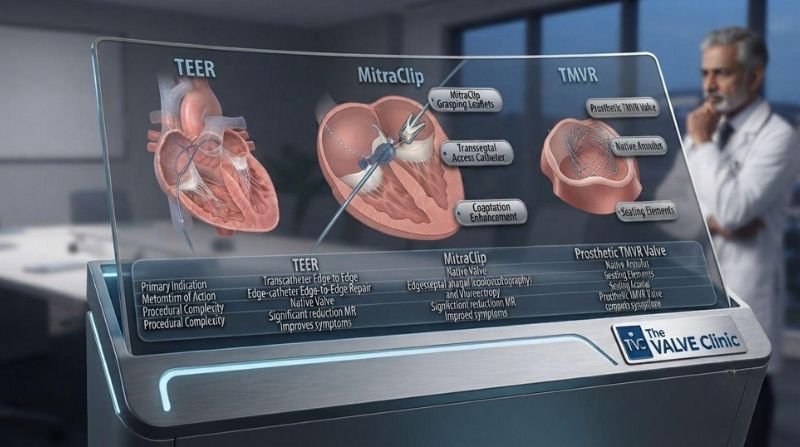
If treatment eventually becomes necessary, the discussion should also be broader than simply asking whether surgery is required. Depending on the valve, anatomy and patient’s overall condition, there may be different heart valve replacement options or catheter-based approaches to consider.
For me, a good heart check-up should leave the patient with clarity—not simply a folder full of reports.
Heart Diagnostic Services: What Happens After Your Heart Tests?
Choosing the right heart diagnostic services is about finding the tests that can answer a specific clinical question. An ECG may help assess your heart rhythm, while an echocardiogram can provide important information about the heart muscle, chambers and valves. Depending on your symptoms and risk factors, your evaluation may also involve a TMT, blood tests, CT coronary angiography or other specialised cardiac investigations.
The test results are only one part of the evaluation. Your symptoms, physical examination, medical history and cardiovascular risk factors also need to be considered together.
Understanding Your Test Results
For example, two patients can have similar ECG findings but require very different next steps. Similarly, an abnormal echocardiogram does not automatically mean that an intervention is required.
After reviewing your results, your cardiologist may recommend:
- Reassurance and routine preventive care
- Lifestyle and cardiovascular risk-factor management
- Repeat testing after an appropriate interval
- Further cardiac investigations
- Medication where appropriate
- Regular monitoring of a heart valve condition
- Discussion of an intervention if a significant structural problem is present
When Further Testing May Be Needed
Sometimes the initial tests do not provide the complete answer. If symptoms continue despite reassuring initial results, or if an abnormality is identified, your cardiologist may recommend additional imaging or monitoring.
For example, a patient with unexplained palpitations may need longer-term rhythm monitoring rather than simply repeating an ECG. Someone with suspected valve disease may require a more detailed echocardiographic assessment. If there is concern about coronary artery disease, a stress test or CT coronary angiography may be considered depending on the individual’s clinical situation.
The aim is not to undergo every available test. The aim is to choose the investigation that provides useful information for the decision you need to make.
When Valve Disease Is Found
If your tests identify a valve problem, the next step depends on the type and severity of the disease, your symptoms and how your heart is functioning.
For example, mitral valve disease may require periodic echocardiographic monitoring when it is not severe. If the disease progresses and treatment becomes necessary, the discussion may include medication, surgical treatment or appropriate catheter-based approaches.
In selected patients, minimally invasive options may be considered depending on the valve anatomy and overall clinical condition. This is where a detailed assessment becomes particularly important before deciding on a treatment pathway.

Frequently Asked Questions About Heart Check-Ups
Patients often have questions about which tests they actually need and whether a routine evaluation is enough. Here are some of the most common questions I hear.
Q. What is included in a heart check-up in Mumbai?
A heart check-up in Mumbai may include a clinical examination, blood pressure assessment, ECG, blood tests and an echocardiogram, depending on your symptoms and risk factors. A TMT or advanced cardiac imaging may be recommended when clinically appropriate.
Q. Is an ECG enough for a heart check-up?
No. An ECG evaluates the electrical activity and rhythm of the heart, but it does not provide the same information as an echocardiogram. If there is concern about heart valves, heart structure or pumping function, additional testing may be needed.
Q. Which test checks the mitral heart valve?
An echocardiogram is one of the main tests used to assess the mitral heart valve. Depending on the clinical situation, more detailed echocardiographic imaging may be recommended to understand the valve anatomy and severity of disease.
Q. Is TMT necessary for every heart check-up?
No. A TMT is not automatically required for everyone. It is considered when the clinical history suggests that assessing the heart during exercise would provide useful information.
Q. Can a heart check-up detect valve disease?
It can help identify and assess valve disease. A doctor may suspect a valve problem from symptoms, examination or a heart murmur, while an echocardiogram can provide detailed information about the valve and its function.
Q. What happens if my heart tests show a valve problem?
The next step depends on the type and severity of the valve problem, your symptoms and how your heart is functioning. Some valve conditions can be monitored, while significant disease may require medication, a catheter-based procedure or consideration of surgical or other heart valve replacement options.
Making Sense of Your Heart Test Results
A heart check-up is most useful when the tests are interpreted together rather than viewed as isolated numbers.
An ECG may tell us about electrical activity. An echocardiogram can show the structure and function of the heart and valves. A TMT can tell us how the heart responds to exertion. Blood tests can help identify cardiovascular risk factors or, in specific situations, evidence of heart muscle injury.
The right combination depends on the person sitting in front of me.
If you have symptoms, an abnormal report or a known valve condition, it is reasonable to discuss what the findings actually mean before deciding on further testing or treatment. A second opinion can also be useful when you have been advised to undergo a major cardiac procedure and want to understand the alternatives.
Speak With Dr. Ankur Phatarpekar at The Valve Clinic
If you are unsure which heart tests you need, or you have already received an ECG, echocardiogram or other cardiac report that you would like to understand, I would encourage you to bring the reports and discuss them in context. The goal is not to order every possible investigation; it is to identify the information that can genuinely help guide your next decision.
If you are consulting The Valve Clinic for a heart or valve-related concern, bringing your previous ECG, echocardiogram and other cardiac reports can help us understand your condition more completely.
Phone: +91 90045-06263
Email: thevalveclinic@gmail.com
Address: 11TH FLOOR, DIAMOND PLAZA, 1101, Chabildas Rd, opp. Plaza Cinema, Dadar West, Dadar, Mumbai, Maharashtra 400028, India
Dr. Ankur Phatarpekar is a cardiologist with an interest in structural and heart valve conditions. This article is intended for general education and should not replace an individual medical consultation.