If you have been diagnosed with mild mitral regurgitation, treatment today is more personalised than ever before. While many patients do not need immediate surgery, regular monitoring, advanced imaging, and minimally invasive treatment options allow doctors to intervene at the right time, helping protect long-term heart function and quality of life.
Understanding Mild Mitral Regurgitation and When Treatment Is Needed
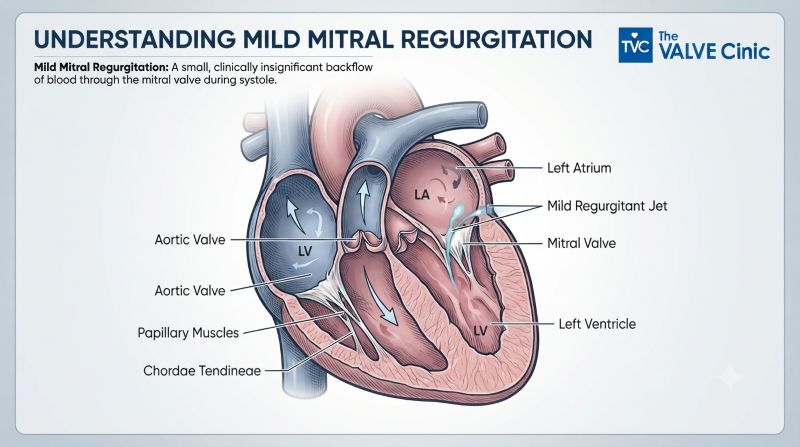
Mild mitral regurgitation occurs when the mitral valve does not close completely, allowing a small amount of blood to flow backwards into the left atrium. In many cases, patients experience no symptoms and can continue their normal daily activities.
The focus of treatment is not always immediate intervention. Instead, your cardiologist monitors the valve over time using echocardiography and clinical evaluation. Treatment decisions depend on several factors, including:
- The severity of valve leakage
- Changes in heart size and function
- Development of symptoms
- Overall cardiovascular health
Early diagnosis and regular follow-up help identify any progression before permanent heart damage develops.
Latest Innovations in Mitral Valve Regurgitation Treatment
Advances in the treatment of mitral valve regurgitation have significantly improved patient outcomes. Modern care is increasingly tailored to the individual rather than relying on a single treatment pathway.
- Advanced Echocardiography and Cardiac Imaging
Today’s high-resolution echocardiography provides detailed information about valve anatomy, leakage severity, and heart function.
Three-dimensional imaging enables more accurate treatment planning and helps determine whether a patient is best managed with monitoring, valve repair, or replacement. - Personalised Risk Assessment
Doctors now combine imaging findings with clinical evaluation, age, activity level, and existing medical conditions to create a personalised treatment strategy rather than making decisions based solely on valve leakage severity. - Earlier Intervention for Suitable Patients
Research has shown that selected patients benefit from treatment before significant heart damage or symptoms develop. Careful monitoring helps determine the ideal timing for intervention while preserving long-term heart function.
Modern Options for Mitral Valve Surgery in Mumbai
For patients whose valve disease progresses, mitral valve surgery in Mumbai offers several advanced treatment options designed to preserve heart function while reducing recovery time whenever possible.
Mitral Valve Repair
Whenever the valve structure allows, repair is often preferred because it preserves the patient’s natural valve.
Benefits may include:
- Better long-term heart function
- Lower risk of complications
- Reduced need for lifelong anticoagulation in many patients
- Excellent durability in appropriate cases
Minimally Invasive Surgical Techniques
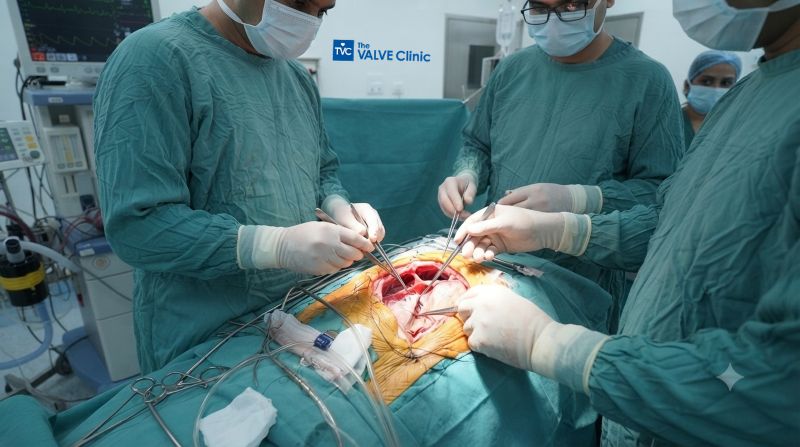
Many suitable patients can undergo mitral valve surgery through smaller incisions rather than conventional open procedures. These techniques may reduce discomfort, blood loss, and recovery time while maintaining excellent surgical outcomes.
Not every patient is a candidate, making careful evaluation essential.
When Is Mitral Valve Replacement in Mumbai Recommended?
Although valve repair is often preferred, mitral valve replacement in Mumbai becomes necessary when the valve is too damaged to repair effectively.
Replacement may be recommended for patients with:
- Extensive valve degeneration
- Severe calcification
- Previous unsuccessful repair
- Complex valve disease
The choice between mechanical and biological valves depends on age, lifestyle, medical history, and long-term treatment goals. Your cardiac surgeon will discuss the advantages and limitations of each option before making a recommendation.
Dr. Ankur Phatarpekar’s Clinical Perspective
In my practice, I frequently meet patients who become anxious after hearing they have mild valve leakage. My first priority is helping them understand that mild mitral regurgitation does not automatically mean surgery is needed.
The most important step is understanding how the valve behaves over time. I carefully review echocardiography findings, assess heart function, and evaluate whether there are early signs that the condition is progressing.
When treatment becomes necessary, I believe the decision should always be individualised. Some patients benefit from valve repair, while others require replacement. Advances in imaging, surgical planning, and minimally invasive techniques now allow us to provide treatment that is both safer and more precise than in previous years.
The goal is not simply to treat the valve but to preserve long-term heart health while helping patients make informed decisions with confidence.
How The Valve Clinic Supports Patients Throughout Their Treatment Journey
At The Valve Clinic, patients receive comprehensive evaluation, advanced diagnostic assessment, and personalised treatment planning for every stage of mitral valve disease.
From regular monitoring of mild valve leakage to complex surgical decision-making and second opinions, the focus is on providing clear guidance based on current evidence and individual patient needs.
Helpful resources you may also find useful include:
- Understanding the early symptoms of mitral valve disease
- How to prepare for mitral valve surgery and recovery
Frequently Asked Questions
Patients often have practical questions after being diagnosed with mitral valve disease. Here are answers to some of the most common concerns.
Q. Can mild mitral regurgitation become severe?
Yes. Mild mitral regurgitation may remain stable for many years in some patients, while in others it can gradually progress. Regular follow-up with echocardiography helps detect changes early and guides timely treatment.
Q. Is surgery necessary for mild mitral regurgitation?
No. Most patients with mild mitral regurgitation do not require surgery immediately. Treatment depends on symptoms, heart function, and whether the valve leakage worsens over time. If intervention becomes necessary, your specialist will discuss whether mitral valve surgery in Mumbai is the most appropriate option for your condition.
Q. What are the latest treatments available for mitral valve regurgitation?
Modern treatment for mitral valve regurgitation includes advanced cardiac imaging, personalised monitoring, minimally invasive valve repair techniques, and improved surgical approaches that aim to preserve long-term heart function.
Q. How often should mild mitral regurgitation be monitored?
The frequency depends on your individual condition. Many patients with mild mitral regurgitation require periodic echocardiograms and specialist reviews to monitor disease progression and determine whether treatment is needed.
Q. Is mitral valve repair better than replacement?
When possible, mitral valve repair is generally preferred because it preserves the natural valve. However, if replacement is necessary, patients considering mitral valve surgery in Mumbai should discuss the most suitable option with their cardiac surgeon based on their valve condition and overall health.
Speak With Team TVC
If you have recently been diagnosed with mild mitral regurgitation or have been advised to consider treatment for mitral valve disease, I encourage you to seek a clear understanding of your condition before making any decisions. Whether you need reassurance, ongoing monitoring, or a second opinion regarding surgery, an informed discussion can help you choose the most appropriate path for your heart health.
Phone: +91 90045-06263 (Rupesh Rajbhar)
Email: thevalveclinic@gmail.com
Address: 11TH FLOOR, DIAMOND PLAZA, 1101, Chabildas Rd, opp. Plaza Cinema, Dadar West, Dadar, Mumbai, Maharashtra 400028, India
Whether you are seeking an opinion, regular follow-up, or guidance on the latest advances in mitral valve care, The Valve Clinic team is committed to supporting you with clear, personalised advice at every step.