Mitral stenosis is a condition where the mitral valve narrows, restricting blood flow within the heart and leading to symptoms like breathlessness and fatigue. One of the most effective and minimally invasive treatments available today is Balloon Mitral Valvotomy (BMV). This comprehensive guide explains symptoms, eligibility, procedure steps, recovery, cost, and expert recommendations to help you make an informed decision.
What is Balloon Mitral Valvotomy Procedure (BMV)?
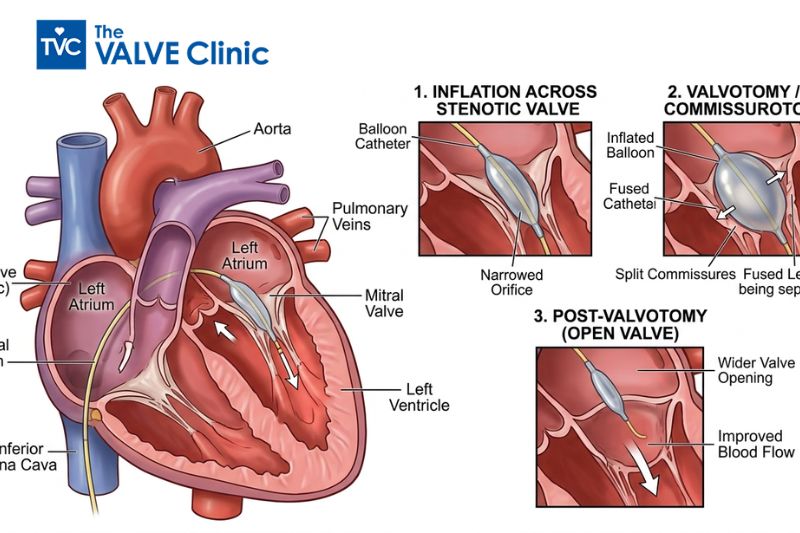
The Balloon mitral valvotomy procedure (BMV) is a non-surgical treatment used to open a narrowed mitral valve using a balloon catheter. Healthcare professionals widely recommend it as a first-line treatment for suitable patients with mitral stenosis because of its safety and effectiveness. Understanding how this procedure works helps patients feel more confident and prepared.
A healthcare provider inserts the catheter through a vein in the groin and guides it to the heart, where they inflate the balloon to widen the valve opening. This improves blood flow and reduces symptoms without the need for major surgery.
Symptoms of Mitral Stenosis Before BMV Procedure
Before undergoing the BMV procedure, patients often experience symptoms that gradually worsen over time. Identifying these symptoms early can help in timely diagnosis and treatment, preventing serious complications.
Common symptoms include:
- Shortness of breath (especially during activity)
- Fatigue and reduced exercise tolerance
- Palpitations or irregular heartbeat
- Swelling in legs or feet
- Chest discomfort
These symptoms indicate that the heart is struggling to pump blood efficiently. Early treatment with the Balloon mitral valvotomy procedure (BMV) can significantly improve daily functioning and quality of life.
When is BMV Procedure Recommended for Mitral Stenosis Patients?
The medical team recommends the BMV procedure when mitral stenosis becomes moderate to severe and begins to impact a patient’s daily life. Early medical evaluation ensures that doctors treat the condition before it leads to irreversible heart damage.
Doctors typically advise this treatment when:
- The patient has symptomatic mitral stenosis
- Valve anatomy is favorable (based on echocardiography)
- There is no clot in the left atrium
- There is no severe valve leakage
Meeting these conditions increases the success rate of the BMV procedure and reduces the chances of complications. Timely intervention also helps in preventing long-term issues like pulmonary hypertension.
Eligibility Criteria for Balloon Mitral Valvotomy Procedure (BMV)
Not every patient is suitable for the Balloon mitral valvotomy procedure (BMV), and proper screening is essential. Cardiologists carefully evaluate valve structure and overall health before recommending this treatment.
You may be eligible if:
- You have rheumatic mitral stenosis
- Valve leaflets are not heavily calcified
- No left atrial thrombus is present
- Minimal or no mitral regurgitation
These criteria ensure that the procedure delivers optimal results with minimal risk. Patients who do not meet these conditions may be advised alternative treatments like surgery.
Latest Treatment Guidelines for BMV Procedure
Modern cardiology guidelines focus on improving patient outcomes through early diagnosis and minimally invasive treatments. Healthcare professionals strongly recommend the BMV procedure in suitable patients due to its effectiveness and safety profile.
Key recommendations include:
- Early intervention in symptomatic patients
- Echocardiographic scoring to assess valve suitability
- Pre-procedure imaging (TEE) to rule out clots
- Preference for minimally invasive options like the BMV procedure
Following these guidelines ensures better long-term results and reduces complications. It also helps doctors choose the most appropriate treatment strategy for each patient.
Step-by-Step Overview of BMV Procedure
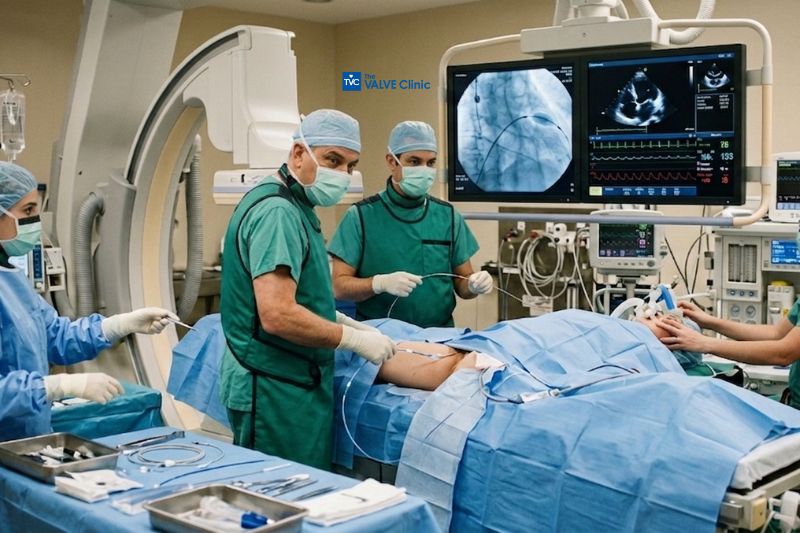
Understanding the steps involved in the BMV procedure can reduce anxiety and help patients feel more prepared. The team carefully performs the process using imaging guidance to ensure accuracy and safety.
The steps are:
- Local anesthesia is administered
- A catheter is inserted through the groin vein
- It is guided to the heart using imaging
- Balloon is positioned across the mitral valve
- Balloon is inflated to widen the valve
- Catheter is removed and recovery begins
Experienced specialists perform each step in a controlled environment. This structured approach ensures that the procedure is both safe and highly effective.
Benefits of Balloon Mitral Valvotomy Procedure (BMV)
The Balloon mitral valvotomy procedure (BMV) is preferred by many patients due to its minimally invasive nature and quick recovery. It offers a modern alternative to traditional surgical methods.
Key benefits include:
- Minimally invasive (no chest opening)
- Faster recovery and shorter hospital stay
- Lower complication risk
- Immediate symptom relief
- Cost-effective treatment option
These advantages make the BMV procedure a highly effective and patient-friendly option. It allows individuals to return to their normal lifestyle much sooner compared to surgical treatments.
BMV Surgery vs Open Heart Surgery
Choosing between BMV surgery vs open heart surgery can be challenging for patients. Understanding the differences helps in making an informed decision based on medical advice and individual conditions.
| Feature | BMV Procedure | Open Heart Surgery |
| Invasiveness | Minimally invasive | Highly invasive |
| Recovery Time | 2-5 days | 4-8 weeks |
| Anesthesia | Local | General |
| Cost | Lower | Higher |
| Risk | Lower | Higher |
| Suitability | Selected patients | Complex cases |
While the BMV procedure is ideal for suitable candidates, open-heart surgery remains necessary for more complex conditions. Your cardiologist will recommend the best option based on detailed evaluation.
Recovery Time After BMV Procedure: What to Expect?
Recovery after the BMV procedure is generally quick and comfortable for most patients. Proper post-procedure care ensures long-term success and reduces the chances of complications.
- Hospital stay: 1–3 days
- Return to normal routine: within a week
- Regular follow-up with echocardiogram
- Light activity recommended initially
Following these guidelines helps ensure a smooth recovery process. Patients should also maintain a healthy lifestyle to support heart function and overall well-being.
Before and After Care for BMV Procedure
Proper preparation and post-procedure care play a crucial role in the success of the BMV procedure. Patients who follow medical advice carefully tend to recover faster and experience better outcomes.
Before the procedure:
– Undergo diagnostic tests (Echo, ECG, blood tests)
– Avoid food before procedure as advised
– Inform doctor about medications
After the procedure:
– Monitor for any discomfort or swelling
– Take prescribed medications regularly
– Attend follow-up appointments
Adhering to these care steps ensures better healing and reduces the risk of complications. Consistent follow-up is essential for long-term heart health.
Cost of BMV & Cheapest Hospital for BMV Procedure
The cost of the BMV procedure is an important consideration for many patients. While affordability matters, choosing the right hospital with experienced specialists is equally critical for successful outcomes.
- Average cost: ₹1.5 lakh to ₹3 lakh
- Lower cost in specialized heart centers
If you’re searching for the cheapest hospital for BMV procedure, ensure that quality care and expertise are not compromised. A well-equipped facility with experienced doctors can significantly improve treatment success and safety.
Risks and Complications of BMV Procedure
Like any medical treatment, the BMV procedure carries some risks, although they are relatively low when performed by experienced professionals. Understanding these risks helps patients make informed decisions.
- Valve leakage (mitral regurgitation)
- Bleeding or infection
- Rare risk of stroke
- Re-narrowing of valve over time
Proper patient selection and expert care significantly reduce these risks. Regular follow-ups also help in early detection and management of any complications.
FAQs on BMV Procedure
Understanding the BMV procedure can raise several questions for patients and their families, especially regarding safety, recovery, and long-term effectiveness. Detailed answers to commonly asked questions help you feel more confident about your treatment decision.
- What is the success rate of the BMV procedure?
The BMV procedure has a success rate of around 85–95% in patients with suitable valve anatomy and no major complications. Experienced specialists who perform the procedure and provide regular medical care also favor long-term success. - Is Balloon mitral valvotomy procedure (BMV) painful?
Surgeons perform the Balloon mitral valvotomy procedure (BMV) under local anesthesia and mild sedation, so it generally does not cause pain. Patients may feel slight pressure during catheter insertion, but overall discomfort is minimal and short-lived. - How long does recovery take after BMV procedure?
Recovery after the BMV procedure is usually quick, with most patients discharged within 1–3 days after treatment. Patients can typically resume normal activities within a week, although they should avoid strenuous activities temporarily. - Which is better: BMV surgery vs open heart surgery?
The choice between BMV surgery vs open heart surgery depends on the severity of the valve condition and patient suitability. Surgeons prefer the BMV procedure when possible because it is minimally invasive, while they reserve open-heart surgery for complex cases requiring valve repair or replacement.
Why Choose The Valve Clinic for BMV Procedure in Mumbai?
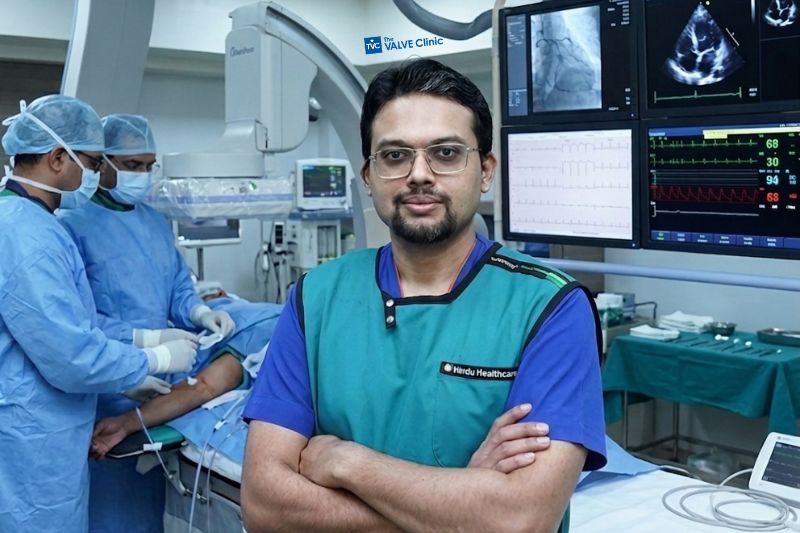
Choosing the right healthcare provider is essential for successful heart treatment outcomes. At The Valve Clinic, patients receive specialized care tailored to their specific condition and medical needs.
The Valve Clinic – Expert Heart Valve Care ❤️
At The Valve Clinic, we specialize in advanced heart valve treatments, including the BMV procedure, with a strong focus on patient safety and outcomes. Our experienced team uses the latest diagnostic tools and minimally invasive techniques to ensure precise and effective care. If you are looking for reliable treatment or even the cheapest hospital for BMV procedure without compromising quality, we are here to guide you at every step. Book a consultation today and take the first step toward better heart health.
📍 Address: 11th Floor, Diamond Plaza, Chhabildas Road, Dadar West, Mumbai – 400028, Maharashtra, India
📞 Tel: +91 9004506263
📧 Email: thevalveclinic@gmail.com
❤️ Take the first step toward better heart health with expert care at The Valve Clinic. Our specialists are here to guide you with accurate diagnosis, advanced treatment, and compassionate care ensuring the best possible outcomes for your heart.